
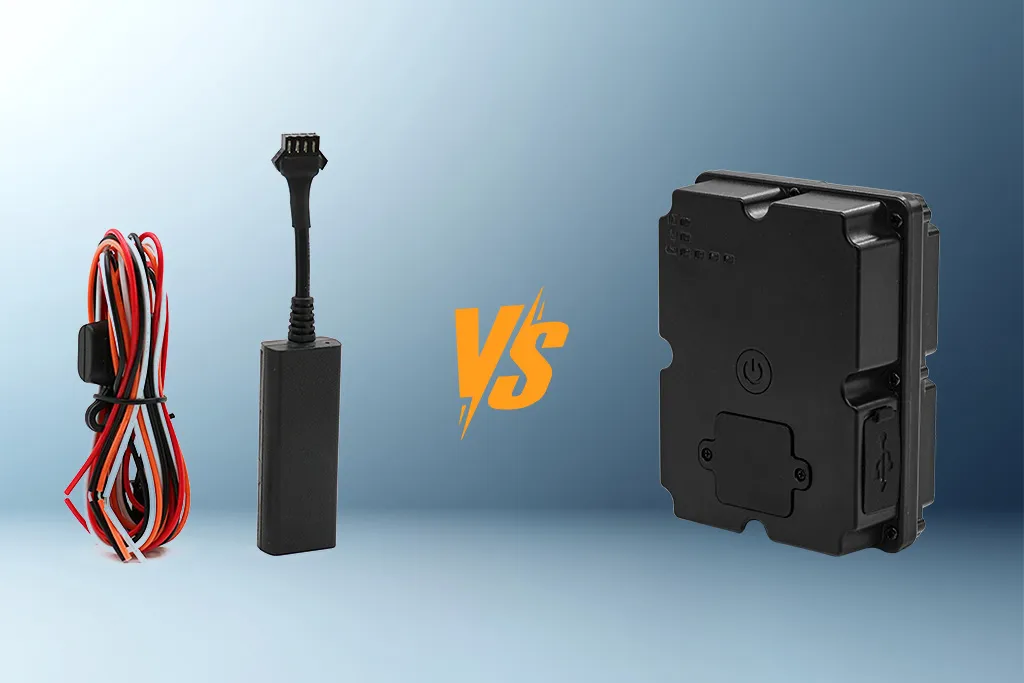
Hidden Trade-offs of Car GPS Trackers: Wired vs Wireless
When selecting a car GPS tracker, most people first focus on “is the positioning accurate?” and “is the price reasonable?”, but easily overlook the trade-offs behind the apparent advantages. Wired and wireless GPS trackers are never a multiple-choice question of “which is better”, but a trade-off of “which is more suitable”.
Trade-off 1: Battery Life Stability vs Usage Flexibility
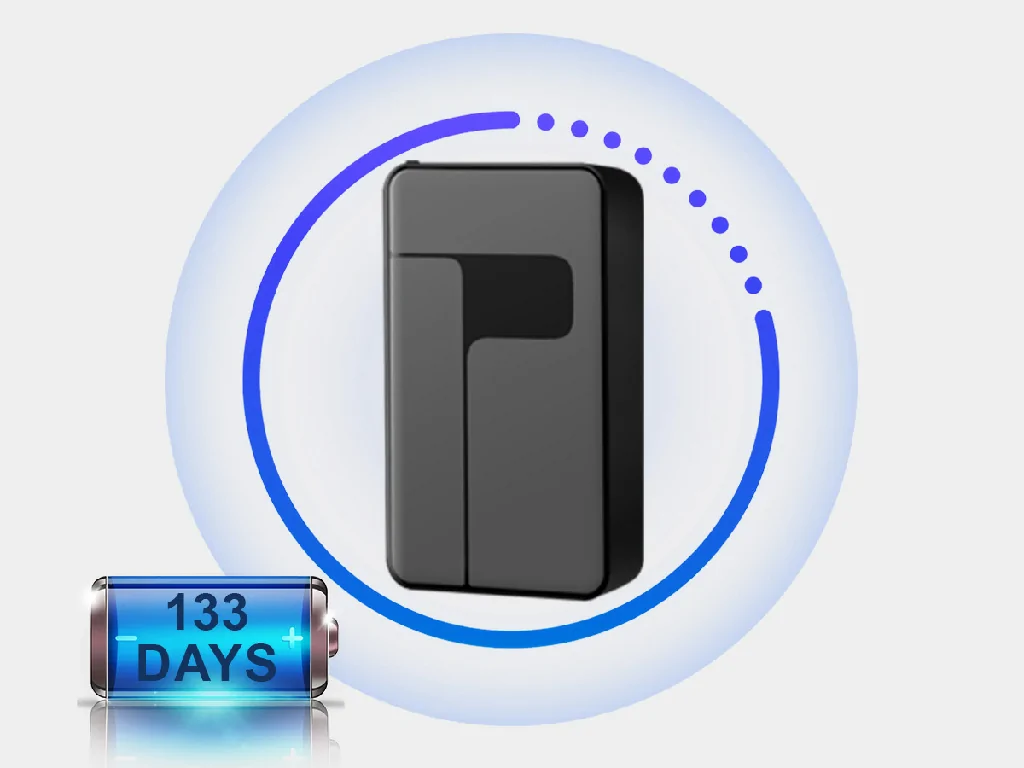
The most prominent advantage of wired GPS is its almost unlimited battery life—it connects directly to the vehicle’s battery for power. As long as the vehicle’s battery is functional, GPS tracker device can work 24/7 without any worry about charging or battery replacement. This is a “must-have” for users in need of long-term real-time monitoring. Once a wired GPS is installed with wiring, it is essentially “bound” to that vehicle. To switch it to another vehicle, you need to re-disassemble the interior and rewire, which is not only troublesome but may also incur secondary installation costs.
In contrast, wireless GPS achieves the flexible features of plug-and-play, multi-vehicle use, and installation-free strong magnetism through a built-in battery. Even the wireless GPS with the longest battery life can only last a few days to a few weeks in real-time positioning mode. To extend battery life, you have to reduce the positioning frequency and switch to different working modes. In the long run, the time cost and consumable cost of charging and replacing batteries are also considerable.
Trade-off 2: Function Richness vs Concealment
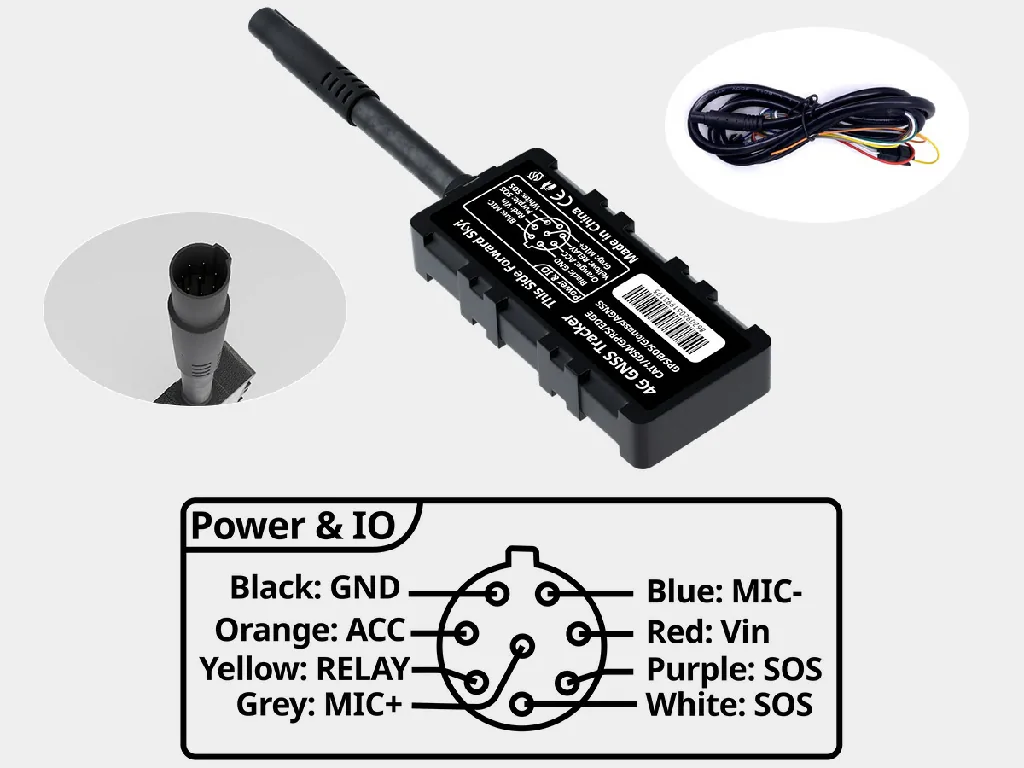
The core reason why wired GPS becomes the first choice for fleet management is that besides basic positioning, it can also realize functions such as fuel consumption monitoring, speed alarm, idling reminder, and remote fuel cut-off and power-off. These functions rely on the connection between GPS tracker device and the vehicle’s circuit. However, precisely because wiring is required, both the wires and the main unit can be completely embedded in the vehicle body, leaving no external traces. Even if a thief tries to damage it, it is difficult to locate GPS tracker device. With extremely strong anti-tampering performance, it is an ideal choice for long-term anti-theft.
Wireless GPS offers more “initiative” in concealment—its compact size allows it to be easily tucked into hidden corners such as the trunk compartment, under the seat, or inside the bumper, and can even be disguised as a car accessory, making it barely visible to the naked eye. However, its anti-tampering performance is weak—if discovered by a thief, it can be directly removed to cut off power, and the user may not notice immediately. Additionally, some wireless devices rely on strong magnets for fixation, which can easily fall off due to external forces. It is suitable for short-term anti-theft or temporary monitoring, and its long-term use safety is inferior to that of wired GPS.
3 Common Scenarios of Wired/Wireless GPS Tracker Malfunction and How to Avoid Them
Scenario ① Power System Failure, Device Disconnection
This is the core cause of GPS malfunction. The triggers for wired and wireless GPS differ significantly, but both result in device shutdown and signal interruption.
1. Malfunction Performance and Triggers of Wired GPS Sudden disconnection, failure to obtain positioning data from the background, and no recovery after restarting the vehicle. Core triggers include: Vehicle battery depletion, aging, or malicious power cut, loose wires, short circuits, or oxidation caused by improper wiring, especially poor contact at interfaces after bumpy roads or long-term use, battery protection mechanism activation in some models after turning off the engine, cutting off power to non-essential devices and causing GPS power failure.
2. Malfunction Performance and Triggers of Wireless GPS Positioning interruption or abnormal positioning frequency, and rapid disconnection after low battery reminder from the background. Core triggers include: Built-in battery depletion (short battery life in real-time positioning mode, forgotten charging/replacement), sudden drop in battery life due to aging and failure to replace in time, reduced battery activity in low-temperature environments, resulting in shortened battery life or even temporary malfunction, falling off of magnetically attached/adhesive devices, leading to poor battery contact due to friction with vehicle metal parts.
Prevention Methods:
- Wired GPS: Choose a regular store for installation, use waterproof and anti-oxidation wires, avoid oil circuits, airbags, and high-wear areas, use devices with low-voltage protection to prevent battery depletion, regularly check wire interfaces, especially during vehicle maintenance to identify loose or oxidized issues, for models that cut off power after engine shutdown, select dedicated models supporting residual battery power supply.
- Wireless GPS: Choose a model with suitable battery life based on usage scenarios (short battery life for temporary monitoring, 1-3 months for long-term stationary use), enable background low-battery reminder and set regular inspection lists (e.g., weekly battery check), select cold-resistant battery models for low-temperature areas and avoid exposing GPS tracker device to extreme low temperatures, ensure firm magnetic adsorption or flat adhesive bonding during installation, and regularly check the fixation status.
Scenario ② Signal Blockage/Interference, Positioning Delay or Deviation
This type of malfunction is not caused by device damage but by blocked signal transmission, resulting in inaccurate positioning, trajectory drift, or even temporary disconnection. Wireless GPS is more affected.
1. Common Malfunction Performance and Triggers Positioning error exceeding 50 meters, intermittent trajectory, and inconsistent stay position with the actual location. Temporary disconnection in scenarios such as tunnels and underground garages is normal, malfunction occurs if abnormalities persist in open areas. Core triggers include: Complete blockage of GPS tracker device by metal parts (blocked wired GPS antenna, wireless GPS placed deep in the trunk or engine compartment), surrounding signal interference sources (high-voltage lines, communication base stations, signal blockers), harsh weather (heavy rain, heavy snow) blocking satellite signals, which affects positioning stability although the probability is low.
2. Differential Impacts Most wired GPS devices are equipped with external antennas, allowing flexible adjustment of installation positions and stronger anti-blocking capability. Malfunctions only occur when the antenna is blocked or the interference source is extremely strong. Wireless GPS uses built-in antennas, and its compact size results in weak signal reception. Metal blockage and short-distance interference can both cause obvious malfunctions.
Prevention Methods:
- Installation Position Optimization: Fix the wired GPS antenna on the inner side of the front windshield (area without film or non-metallic film), roof, or other unobstructed locations for signals, keep wires concealed without blocking the antenna. For wireless GPS, avoid metal-dense areas, prioritize fabric areas under seats, inside door panels, or trunk compartments (non-metallic parts), and avoid direct attachment to metal surfaces.
- Anti-Interference Protection: Choose GPS models with anti-interference design, especially industrial-grade devices for fleets and rental vehicles, avoid parking near long-term high-voltage lines or signal towers (temporarily adjust device position if unavoidable), remain alert to malicious interference and check for unfamiliar jamming devices around the vehicle when positioning abnormalities occur.
Scenario ③ Improper Installation/Fixation, Device Malfunction or Falling Off
Human installation errors are easily overlooked causes of malfunctions, which not only lead to positioning failures but may also damage GPS tracker device. The consequences of wired GPS malfunctions are more severe.
1. Malfunction Performance and Triggers of Wired GPS Intermittent disconnection, trajectory drift, and even device burnout due to short circuits in severe cases. Core triggers include: Wire extrusion or wear caused by improper interior disassembly during installation, loose wire interfaces prone to detachment on bumpy roads, damage to the original vehicle circuit due to irregular wiring, conflicting with oil circuits and airbag wires and causing abnormal device power supply, accelerated device aging due to installation by non-professionals in high-temperature or humid areas (e.g., engine compartment).
2. Malfunction Performance and Triggers of Wireless GPS Loss of positioning, trajectory interruption, and possible device loss or damage. Core triggers include: Magnetic models not adsorbed on flat metal surfaces, falling off due to vehicle vibration and internal component damage from impact, adhesive models falling off due to aging 3M tape or dusty surfaces during installation, device damage to batteries or antennas caused by extrusion during door/trunk opening/closing when installed near latches.
Prevention Methods:
- Wired GPS: Must be installed by professional auto repair personnel, plan wiring routes in advance to avoid high-temperature, humid, high-wear, and key component areas, conduct road tests after installation to check for disconnection on bumpy roads, ensuring tight interfaces and firm wire fixation, perform regular maintenance (every 3-6 months) to inspect wire wear and aging, and replace damaged wires in a timely manner.
- Wireless GPS: Clean the fixed surface (remove dust and oil) before installation to ensure firm adhesive bonding, select flat and collision-resistant positions (e.g., vehicle chassis, metal brackets under seats) for magnetic models, establish installation records for batch vehicle management, regularly spot-check device fixation status, and focus on inspection after vehicle handover and maintenance.
Troubleshooting Tips: If GPS malfunctions occur, follow these steps for quick troubleshooting:
- Check power supply status (battery and wires for wired GPS, battery level for wireless GPS)
- Inspect if GPS tracker device installation position has shifted or been blocked
- Switch background positioning modes (e.g., temporarily enable real-time positioning for wireless GPS to test signals)
- Restart GPS tracker device (restart the vehicle for wired GPS, manually power on for wireless GPS).
If none of the above operations work, it is likely a hardware failure. Contact the manufacturer for maintenance or replacement in a timely manner.
Guide for Private Car Owners: When to Choose Wired vs Wireless GPS Tracker?

Private car owners choose wired GPS essentially to meet the core demand of “long-term fixed anti-theft”, with three key reasons:
- Stable Battery Life Wired GPS connects directly to the vehicle’s battery for 24/7 uninterrupted positioning. As long as the vehicle’s battery is normal, there is no need to worry about device disconnection due to power failure, completely avoiding the battery life anxiety of wireless devices. It is especially suitable for long-term parked or daily commuting vehicles, providing all-day vehicle safety protection.
- Concealment and Anti-Tampering GPS device and wires are completely hidden inside the vehicle body, leaving no external traces. Thieves can hardly discover or damage it, offering far superior anti-theft safety compared to wireless devices.
- Function Adaptation for Long-Term Use Wired GPS tracker supports remote fuel and power outage, power outage alarm and other functions. If the vehicle is stolen, it can be quickly located and intercepted through the background to minimize losses.
Wireless GPS tracker is more suitable for private car owners’ temporary monitoring needs, with advantages mainly reflected in flexibility and cost-effectiveness:
- Installation-Free Portability No need to disassemble the vehicle or hire professionals. It can be fixed with 3M tape or strong magnets in a few minutes and directly removed after use, without damaging the original vehicle wires or appearance. It is suitable for scenarios such as lending the car to relatives and friends, short-term outdoor parking, and self-driving tour temporary monitoring.
- Cost-Effectiveness No installation fees, no high upfront investment for short-term use. It can be switched to other vehicles at any time when idle, realizing multi-vehicle use without waste.
- Avoid Modification Risks As an external device without wiring, wireless GPS perfectly avoids the risk of voiding vehicle warranties due to circuit modification. It is suitable for car owners with frequent temporary monitoring needs, who do not want to modify the original vehicle, and pursue low cost and convenience.
Must-Know for Fleet Managers: Is Wired GPS a Necessity?

For commercial fleets (freight, passenger transport, ride-hailing, etc.), wired GPS is essentially a “refined management tool” and a core necessity. The reasons for choosing it stem from the core pain points of fleet operations:
First, Meeting 24/7 Real-Time Dispatching Needs The core of fleet management is to grasp real-time data such as the location, trajectory, and speed of each vehicle to optimize routes, allocate vehicles, and respond to customer inquiries. Wired GPS relies on continuous power supply from the vehicle battery, avoiding positioning interruptions due to battery depletion and stably outputting real-time data to support efficient operation of the dispatching system. In contrast, the battery life limitation of wireless GPS may cause positioning gaps, affecting dispatching decisions. Especially for long-distance freight fleets, interrupted positioning may lead to cargo safety risks and operational losses.
Second, Adapting to Fleet Refined Management Functions Wired GPS can deeply connect with the vehicle circuit. Besides basic positioning, it can realize advanced functions such as fuel consumption monitoring, engine start-stop status, idling reminder, speed alarm, and remote fuel cut-off and power-off. These functions help managers accurately control driver behavior (e.g., avoiding idling fuel consumption and speeding violations), calculate operational costs (e.g., accurately counting fuel consumption per vehicle), and reduce safety risks (e.g., remote fuel cut-off in emergencies). This is a core advantage that wireless GPS cannot match, directly related to fleet operational efficiency and cost control.
Third, Lower Long-Term Maintenance Costs Fleet vehicles are used frequently and in complex driving environments. Once professionally installed, wired GPS requires almost no maintenance, with no labor or consumable costs for battery replacement and regular charging, and has a longer service life. For batch use of wireless GPS, special personnel need to be arranged for regular battery checks and replacements, resulting in high long-term maintenance costs and potential device disconnection due to negligence.
While wired GPS is a necessity, it does not completely exclude wireless GPS—for scenarios such as new vehicles in inventory without license plates, temporary outsourced vehicles, and exhibition temporary vehicles, wireless GPS can be used as a supplement for quick deployment, flexibly filling management gaps and achieving an efficient “wired-based, wireless-supplemented” management model.
Car Rental Companies: The Unmatched Flexibility of Wireless GPS Tracker

The operational scenarios of car rental companies determine the core adaptability of wireless GPS. Its flexibility-driven operational efficiency improvement and cost reduction are incomparable to wired GPS.
First, Adapting to High-Frequency Vehicle Turnover Needs The core pain point of the car rental industry is high-frequency vehicle turnover—a vehicle may need to be re-rented the day after being returned. The “plug-and-play and easy to remove” feature of wireless GPS perfectly solves this problem. It can be directly removed for charging after vehicle return, without delaying the next rental. In contrast, wired GPS is complex to install and remove. Equipping every vehicle with wired GPS will significantly extend vehicle turnover time and affect operational efficiency.
Second, Adapting to Multi-Model Compatibility Needs Rental companies have a wide variety of vehicle models, including sedans, SUV, commercial vehicles, and new energy vehicles, each with different circuit layouts. Wired GPS requires customized wiring routes for different models, which is time-consuming and costly, and may cause function adaptation issues due to model differences. Wireless GPS is not limited by vehicle models—it can be fixed as long as a hidden position is found, offering strong compatibility and significantly reducing installation and adaptation costs.
Third, Avoiding Compliance and Warranty Risks Some rental vehicles (especially new and high-end models) prohibit unauthorized circuit modification. Wired GPS wiring may damage the integrity of the original vehicle circuit, affecting vehicle warranty or inspection. As an external device without wiring, wireless GPS completely avoids this risk, while also preventing vehicle fault disputes caused by circuit modification and reducing operational hidden dangers.
Choose Our Best-Selling Car Wired/Wireless GPS Trackers
With years of experience in the automotive electronics industry, Great Will’s wired/wireless GPS trackers have become the preferred best-selling products for private car owners, fleet managers, and car rental companies, thanks to their stable performance and scenario-based adaptability. Each product undergoes rigorous testing and market verification, accurately addressing vehicle safety protection and management efficiency needs. Whether you pursue long-term stability or value flexibility and convenience, you can find a cost-effective solution here.
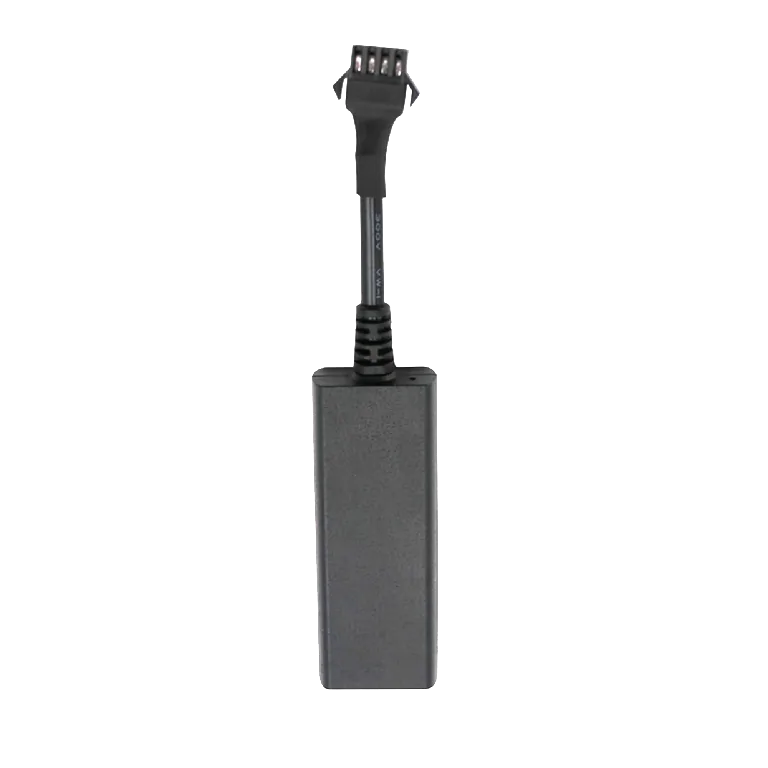
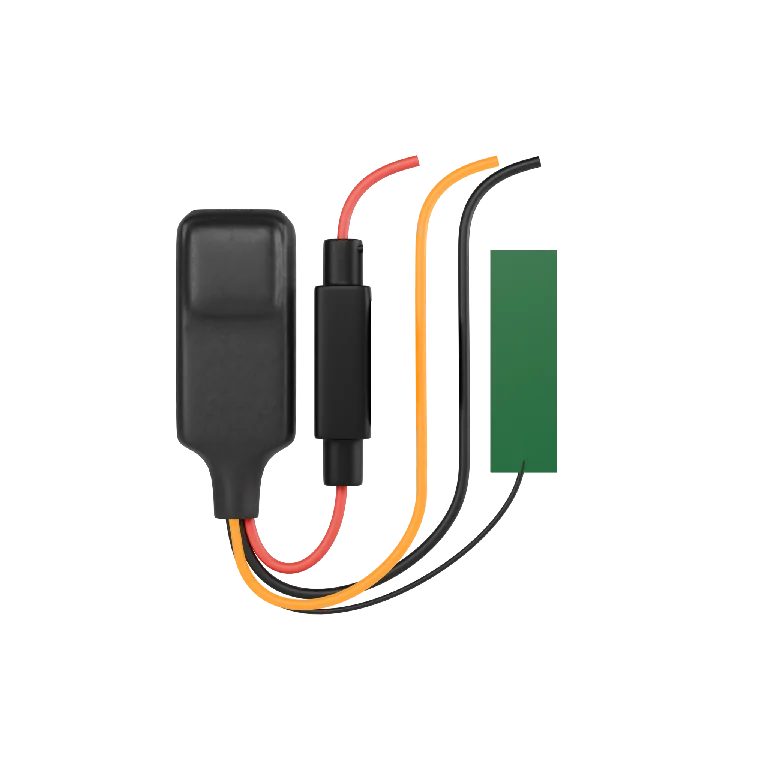
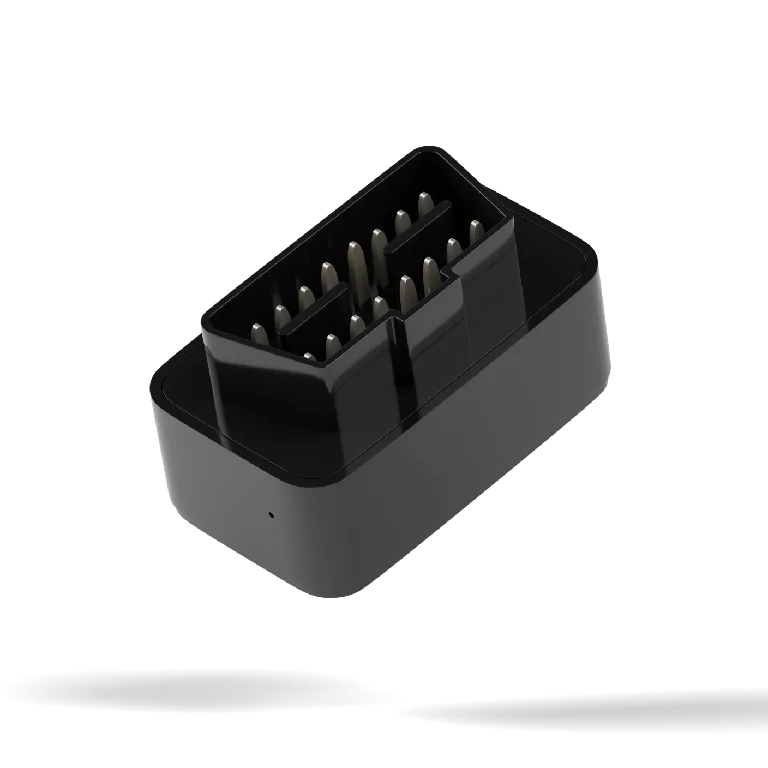
Best-Selling Wired GPS Trackers: Stability First, Guarding Long-Term Safety
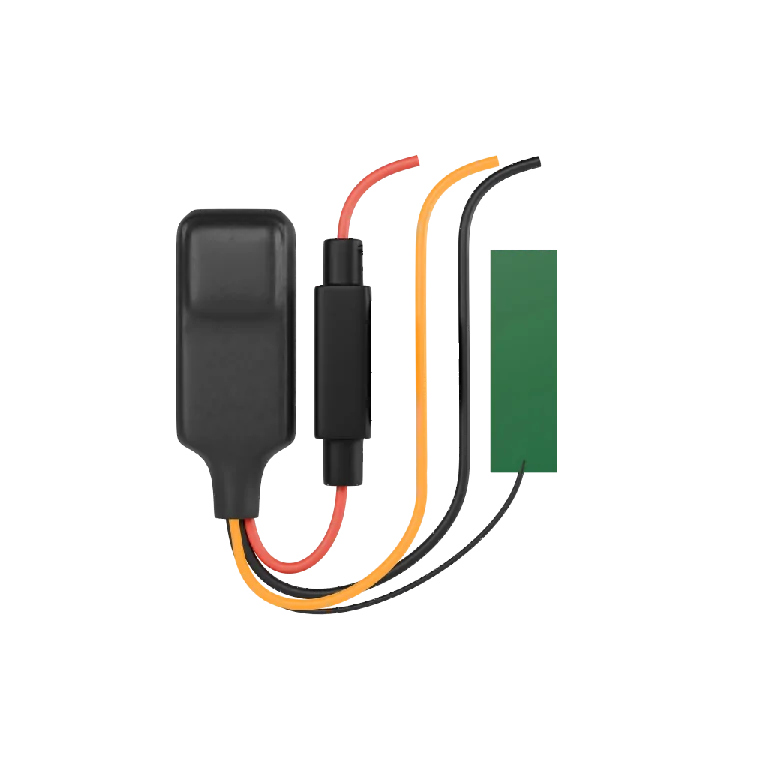
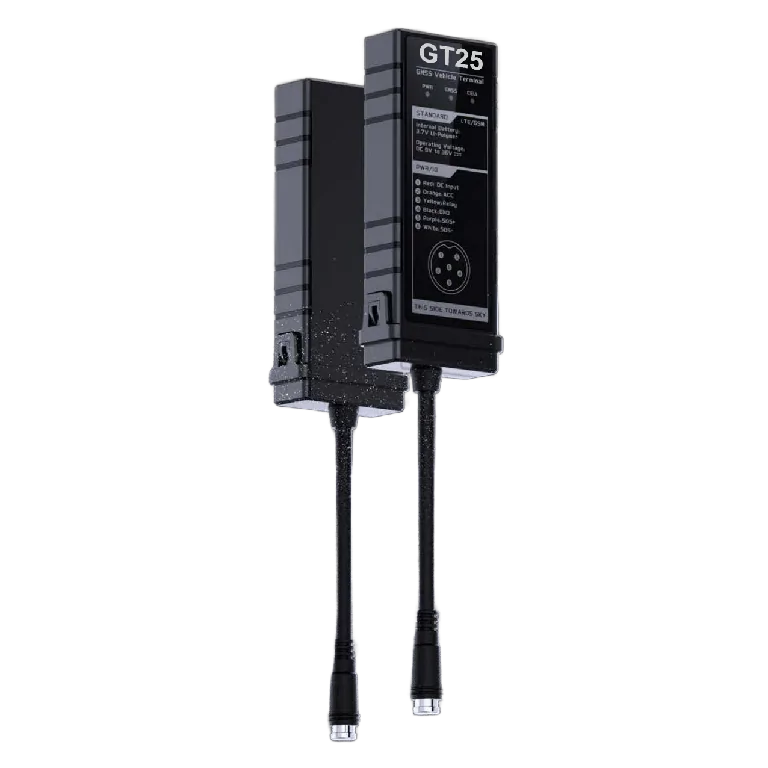
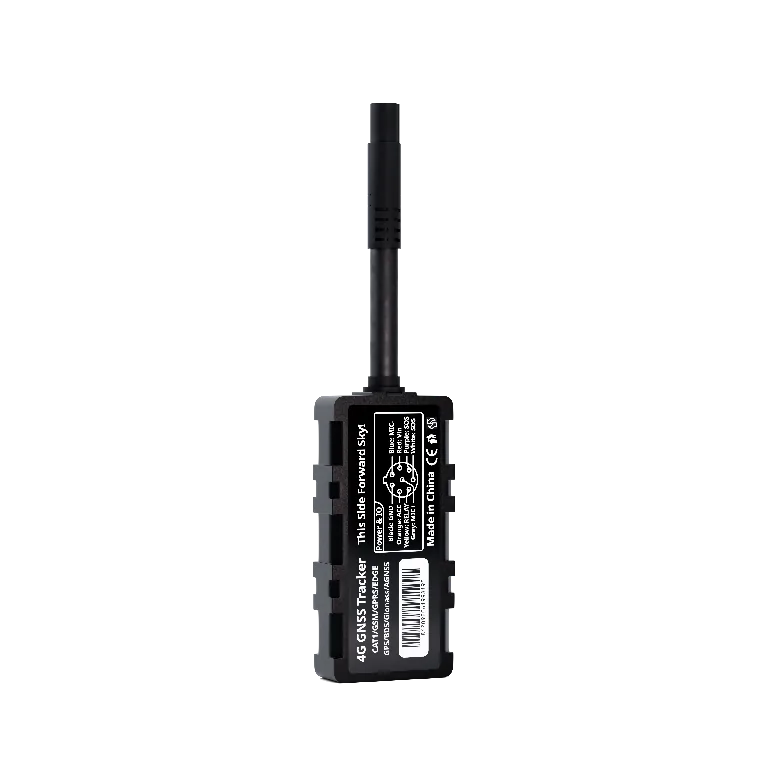
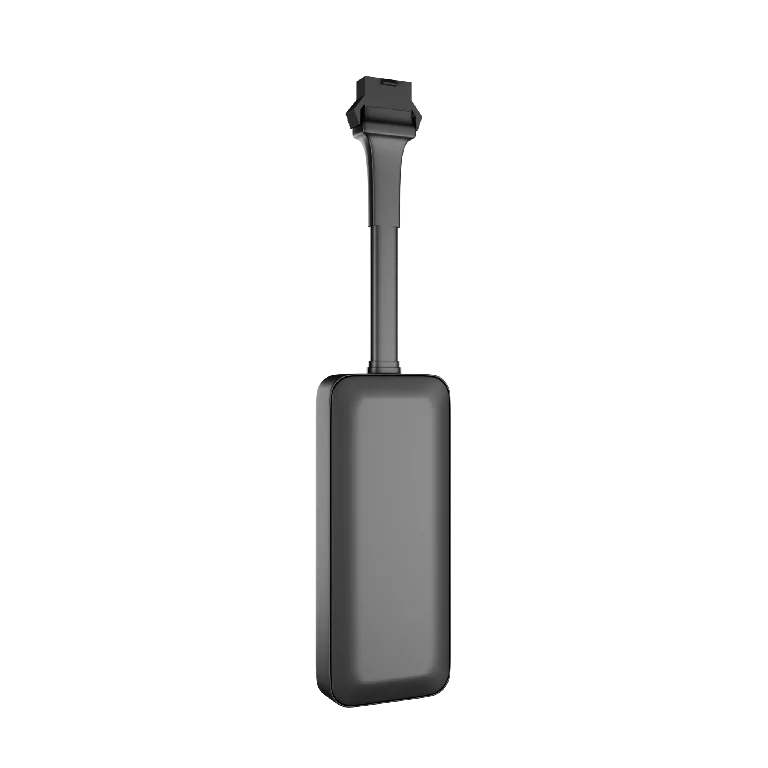
Featuring waterproof casings, real-time positioning, historical trajectory playback, and Geo fence alarms, they also support practical functions such as remote fuel cut-off and power-off, fuel consumption monitoring, and idling reminder. They can be directly connected to the vehicle’s battery with a small-capacity backup battery for 24/7 uninterrupted positioning. Equipped with low-voltage protection design, they not only prevent battery depletion but also completely eliminate the risk of disconnection due to power failure.
Models:
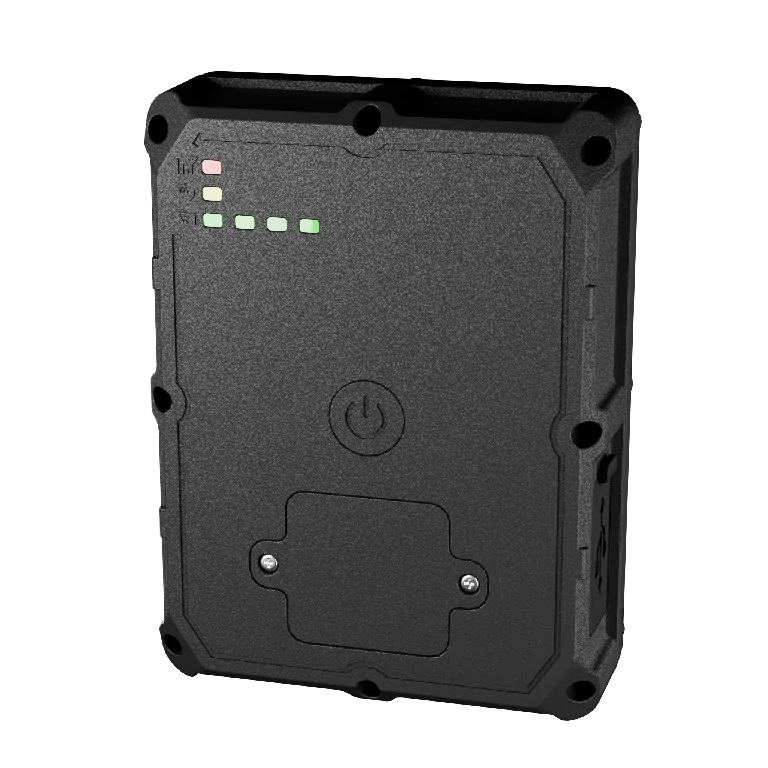
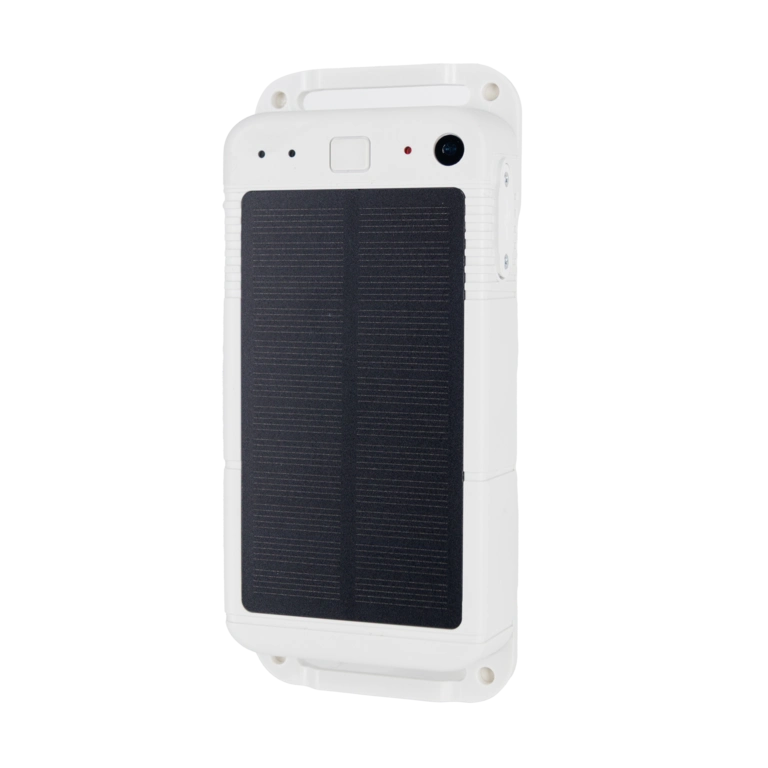
Best-Selling Wireless GPS Trackers: Flexible and Convenient, Adapting to Diverse Scenarios
Adopting waterproof and anti-fall casing designs (IP65-IP68 & IPX7), they can adapt to complex driving environments. Equipped with multi-mode positioning chips, they effectively avoid signal blockage, control positioning errors within a reasonable range, and ensure high positioning accuracy. No vehicle disassembly or professional wiring is required—they can be fixed in hidden positions such as under seats or in trunk compartments in a few minutes using strong magnetic adsorption or high-adhesion 3M tape, leaving no residue and causing no damage to the original vehicle wires. Built with large-capacity batteries (5000-1000mAh) for low-power long battery life, they are also equipped with rechargeable batteries and solar charging to extend battery life.
Models:

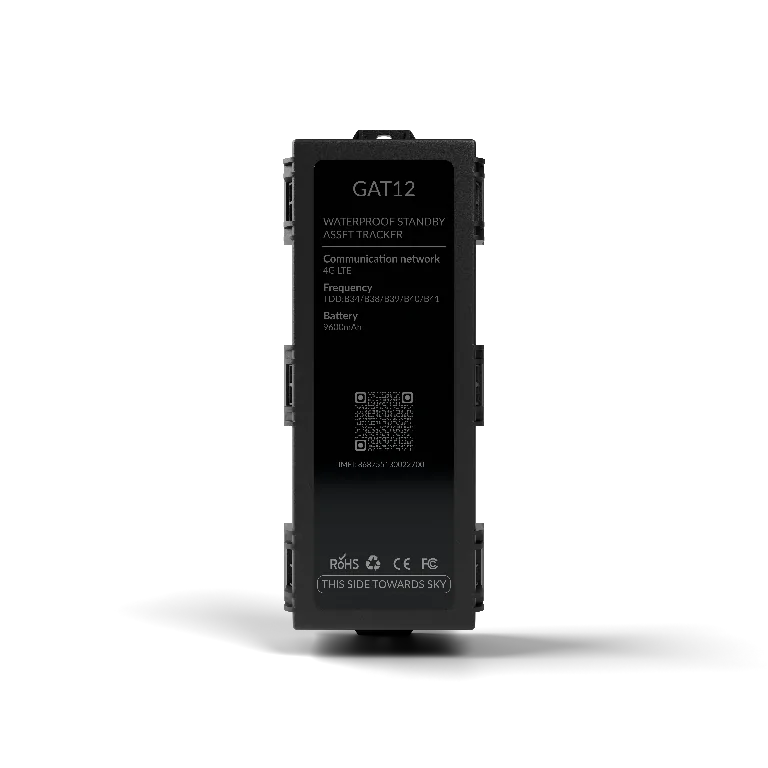
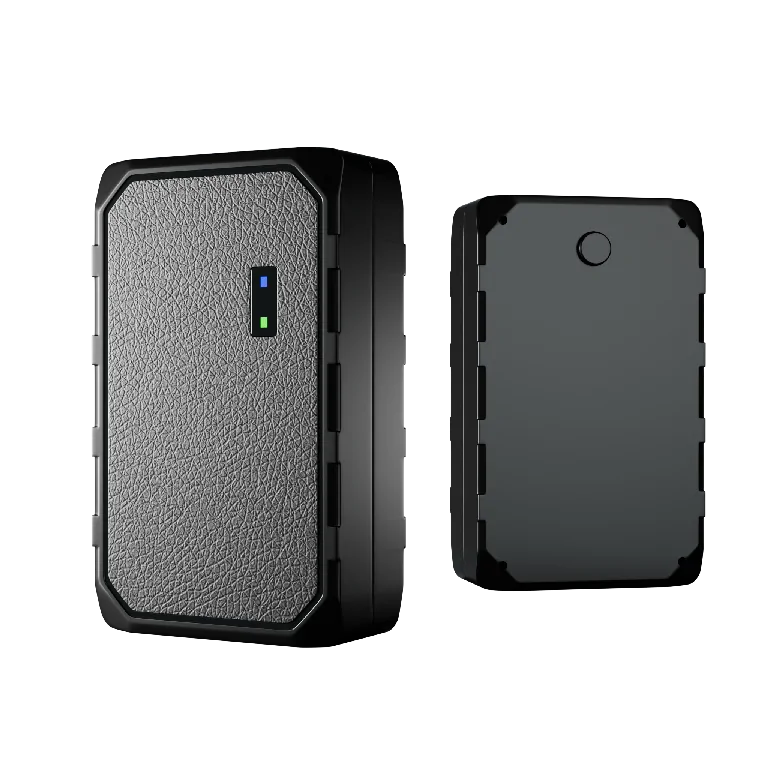
In addition to scenario-based adaptability, we also provide platform software, APP, and IOT card for customers and industry buyers to better use our devices. These supporting products are compatible with different platforms and enable unified management.




Responses
Discussion
0 responses
No responses yet
Start the discussion with a practical question or field note related to this article.