
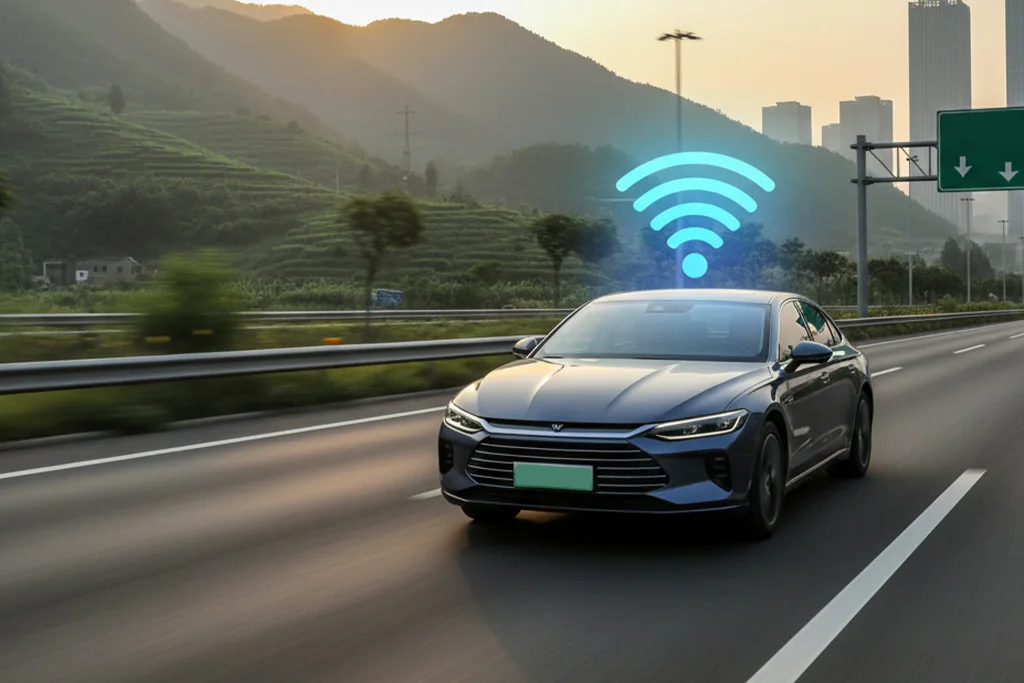
oasting four core strengths—high-speed 4G LTE connectivity, real-time positioning in seconds, long-lasting rechargeable battery life, and hassle-free portable installation—the vehicle-mounted wireless 4G GPS tracker transcends the limitations of traditional vehicle monitoring. It is more than just a positioning tool; it redefines vehicle management, cuts operational costs, and elevates safety standards. No need to modify the original vehicle wiring—its flexible placement, precise tracking, and extended battery life make it the perfect fit for the diverse demands of vehicle-related scenarios.
4G LTE vs 2G/3G: Why 4G is the Non-Negotiable Standard for Wireless GPS Trackers?
Real-time positioning is one of the core selling points of wireless GPS trackers, and network transmission speed directly dictates positioning latency. With low bandwidth and inefficient data transfer, 2G/3G networks fail to meet the requirements of high-frequency positioning. Shortening the positioning interval often leads to data lag or loss.

4G LTE networks deliver transmission speeds of up to 100 Mbps—thousands of times faster than 2G and dozens of times faster than 3G—enabling the seamless second-level transmission of positioning data. Combined with A-GPS base station-assisted positioning technology, GPS tracker device can quickly complete positioning calibration, with real-time synchronization of device status between the backend system and mobile app, keeping latency within 1–3 seconds. Featuring multi-band compatibility, 4G devices work flawlessly with local 4G networks whether used domestically, for cross-border logistics, or overseas car rental services. There is no need for frequent device replacement, which significantly boosts GPS tracker device’s versatility and cost-effectiveness.
As user needs evolve, wireless GPS trackers are no longer limited to basic positioning. They now offer value-added functions such as Geo fencing, SOS alerts, route playback, and remote monitoring—all of which rely on a stable, high-speed network connection.
Constrained by narrow bandwidth, 2G/3G networks can only transmit basic positioning data, and cannot support advanced functions like alert notifications or high-definition route logging. In contrast, the high bandwidth and low latency of 4G LTE networks effortlessly facilitate multi-dimensional data transmission. For example, when a Geo fence is triggered, GPS tracker device instantly pushes an alert to the user’s phone. It supports high-frequency route recording to generate accurate, comprehensive historical route reports, and can even be paired with audio recording capabilities to meet more complex monitoring needs.
How Can Wireless 4G GPS Trackers Achieve Precision with Zero Latency?
Three Pillars of Wireless 4G GPS Tracker Technology: Hardware Configuration + Network Transmission + Algorithm Optimization

1. 4G LTE Network: Latency-Free Transmission
- High-Speed, Low-Latency Transmission: 4G LTE networks deliver transmission speeds of up to 100 Mbps—tens to hundreds of times faster than 2G/3G networks—with latency far lower than the several-minute delays of 2G/3G, enabling Positioning & Synchronization in One Step.
- Stable Connection with Zero Packet Loss: Boasting ample bandwidth, 4G networks maintain stable connectivity even in high-speed mobile scenarios (e.g., vehicle-mounted use, logistics transportation). This prevents positioning data lag or loss, ensuring continuous, complete tracking routes with no tracking gaps or delays.
2. High-Precision GPS Chip + Assisted Positioning
- Smart Chip Integration: All devices are equipped with high-precision GPS chips paired with multi-system assisted positioning, significantly enhancing positioning accuracy.
- Multi-GNSS Compatibility: In addition to GPS, the tracker supports global satellite navigation systems including Beidou and GLONASS. It can receive signals from multiple satellites simultaneously, limiting positioning error to 2–5 meters in open areas.
- A-GPS Base Station Assisted Positioning: For scenarios with weak satellite signals (e.g., underground garages, tunnels, dense urban high-rises), the GPS device leverages 4G base station signals for auxiliary positioning, preventing positioning failure or excessive deviation.
- Hardware Anti-Interference Design: Built-in anti-interference modules reduce signal disruption from on-vehicle electronic devices and surrounding wireless signals, ensuring stable signal reception and further improving positioning precision.
3. Intelligent Algorithm Optimization
- Adjustable Positioning Frequency: The tracker supports high-frequency positioning during high-speed movement and low-frequency positioning when stationary. This ensures precise route tracking for moving vehicles and cargo while avoiding unnecessary power consumption from frequent positioning during idle periods.
- Fast Wake-Up Response: When in sleep mode, GPS tracker device can be quickly activated via 4G network, instantly initiating positioning and data transmission. This fulfills the need for rapid response in emergency situations (e.g., abnormal vehicle movement).
Solving Users’ Pain Points of Battery Life Anxiety and Scenario Adaptability
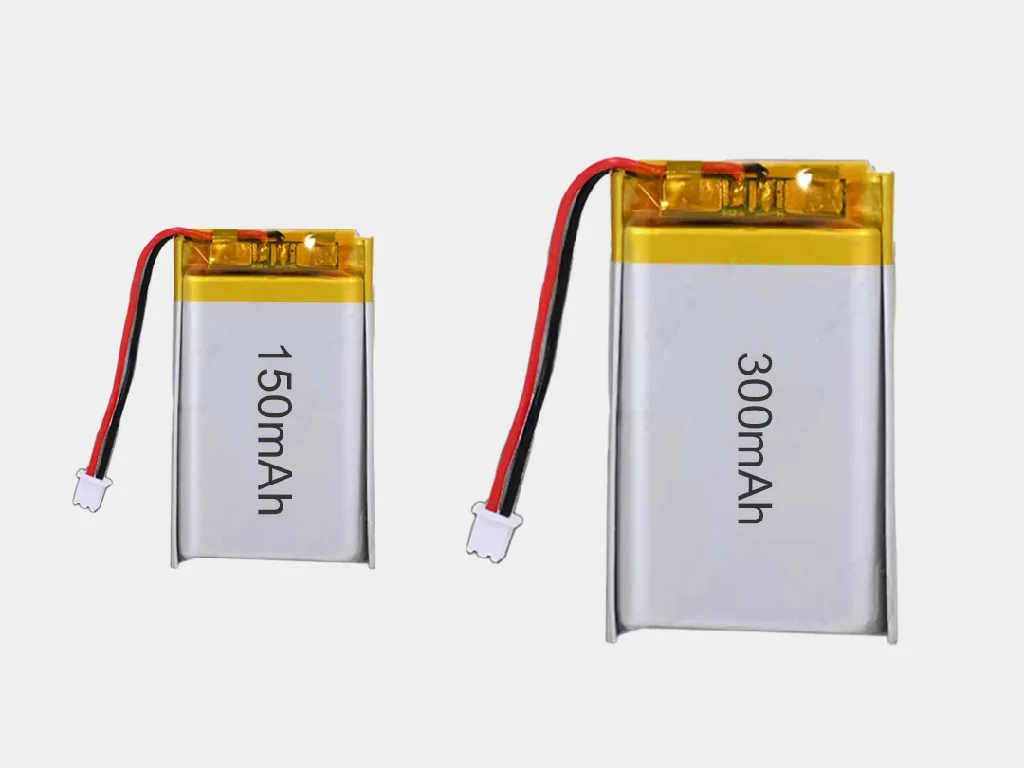
With its dual-power-supply design of rechargeable + battery-powered and lightweight, portable features, the wireless 4G GPS tracker not only eliminates the anxiety of “hassle of frequent charging and panic of disconnection when power runs out” but also breaks the limitations of installation and application scenarios, making precise tracking truly applicable to various usage scenarios. Wired trackers, which require professional installation and come with a bulky size, struggle to adapt to multi-scenario use. In contrast, the wireless version’s portable design optimizes both installation methods and device dimensions, enabling flexible deployment across all scenarios.
Dual-Power-Supply Mode for All-Scenario Battery Life Needs
GPS tracker device supports a dual-mode power supply: rechargeable lithium battery + high-capacity backup battery, perfectly meeting the power needs of different usage scenarios.
- For long-term fixed scenarios (e.g., corporate fleets, long-term parked vehicles), it can be connected to the vehicle’s USB port or cigarette lighter for 24/7 uninterrupted tracking, eliminating concerns about battery depletion.
- It can run on the built-in rechargeable lithium battery alone, offering a battery life of 7–30 days on a full charge (battery life extends in low-frequency mode, depending on the adjusted positioning frequency), satisfying long-term usage requirements when no external power source is available.
Low Power Consumption Algorithm to Extend Battery Life
- Equipped with an intelligent low-power-consumption optimization algorithm, GPS tracker device automatically adjusts its positioning frequency: it switches to low-frequency positioning when stationary and reverts to high-frequency positioning when in motion. This minimizes power consumption without compromising tracking accuracy.
- It also supports a sleep-wake function: GPS tracker device goes into sleep mode to save energy when idle, and quickly wakes up to initiate positioning when an anomaly is detected (e.g., vibration, displacement). This further alleviates battery life pressure and reduces charging frequency.
Tool-Free Installation Design
Featuring non-damaging mounting methods such as magnetic attachment and adhesive mounting, the tracker requires no vehicle disassembly or wiring, and no professional tools. Installation can be completed in 30 seconds flat, making it ideal for scenarios where vehicle wiring modifications are inconvenient, such as car rentals, temporary vehicle dispatch, and private car sharing.
Compact & Discreet Form Factor
With a slim, compact design, GPS tracker device can be easily hidden in concealed locations like under car seats, in trunks, inside cargo packaging, in the inner lining of backpacks for the elderly or children, or on pet collars. This not only prevents malicious removal but also ensures unobtrusive daily use (e.g., pets feel no burden when wearing it, and it takes up minimal space in backpacks). It is well-suited for discreet tracking needs across multiple scenarios, including personal security, vehicle management, and cargo tracking.
Cross-Scenario Reusability
Its portability allows GPS tracker device to be detached from fixed carriers, enabling cross-scenario and cross-carrier reuse. A single device can meet multiple needs, significantly improving resource utilization and enhancing GPS tracker device’s cost-effectiveness.
Wired vs Wireless 4G GPS Trackers: Which One Suits Your Needs Better?
If you prioritize flexible reuse, tool-free installation, and multi-scenario adaptability, the wireless version is your top choice. If you need 24/7 uninterrupted stable operation, ultimate concealment, and have fixed carriers for GPS device, the wired version is a viable option.
Installation method directly determines GPS device’s deployment cost and threshold—it is the most intuitive difference between the two types and also a key factor affecting scenario adaptability.
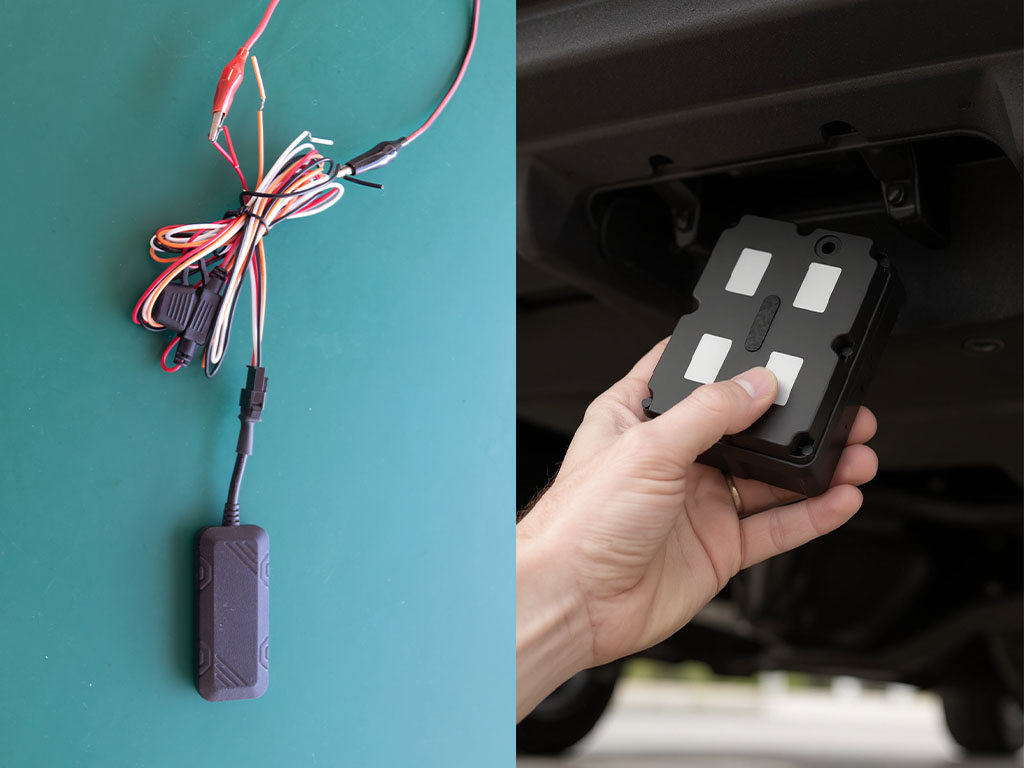
Wired 4G GPS Trackers
- Installation Difficulty: High, requiring professional operation. Technicians need to disassemble the vehicle’s internal wiring and connect GPS device to the vehicle’s original power supply and circuit system. Once installed, it is difficult to remove.
- Advantages: Offers ultimate concealment after installation, making it hard to detect and tamper with.
- Disadvantages: Incurs high labor costs; risks damaging the original vehicle wiring and affecting vehicle warranty; cannot be reused across different vehicles.
Wireless 4G GPS Trackers
- Installation Difficulty: Extremely low, accessible to everyone. No vehicle disassembly or wiring is needed—fix GPS device via non-destructive methods such as magnetic attachment or adhesive mounting.
- Advantages: Flexible deployment; no damage to vehicle wiring; can be removed anytime for cross-carrier reuse, ideal for scenarios like car rentals and temporary vehicle dispatch.
- Disadvantages: Concealment depends on installation location. If placed in an exposed spot, it may face malicious removal (this issue can be mitigated by GPS device’s compact size).
Power supply mode determines GPS device’s operational stability and maintenance frequency, and is highly tied to the power conditions of the usage scenario.
Wired 4G GPS Trackers
- Power Supply Mode: Powered by the vehicle’s original power supply, eliminating the risk of power outage. GPS device connects directly to the vehicle battery or circuit system for 24/7 uninterrupted power supply. As long as the vehicle battery is functional, GPS device will keep running without battery life concerns.
- Advantages: No charging required; low maintenance costs; suitable for long-term fixed monitoring.
- Disadvantages: Highly dependent on the vehicle’s power supply. If the vehicle battery runs flat or is intentionally disconnected, GPS device will stop working immediately and lose tracking capability, with no emergency power backup.
Wireless 4G GPS Trackers
- Power Supply Mode: Dual-power-supply mode to meet all-scenario power needs. It supports built-in rechargeable lithium battery + high-capacity backup battery. With an external power source (e.g., vehicle USB port), it can run uninterrupted for a long time; without external power, it relies on the lithium battery for 7–30 days of runtime (battery life can be extended in low-power mode).
- Advantages: Flexible power supply; retains emergency battery life after power outage to avoid disconnection.
- Disadvantages: Requires regular charging when no external power is available; battery status needs monitoring during long-term idle periods; high-frequency positioning will shorten battery life.
Combining their installation and power supply characteristics, the two types have clear boundaries of applicable scenarios—choose based on your actual management needs and carrier features.
Scenarios for Wired 4G GPS Trackers
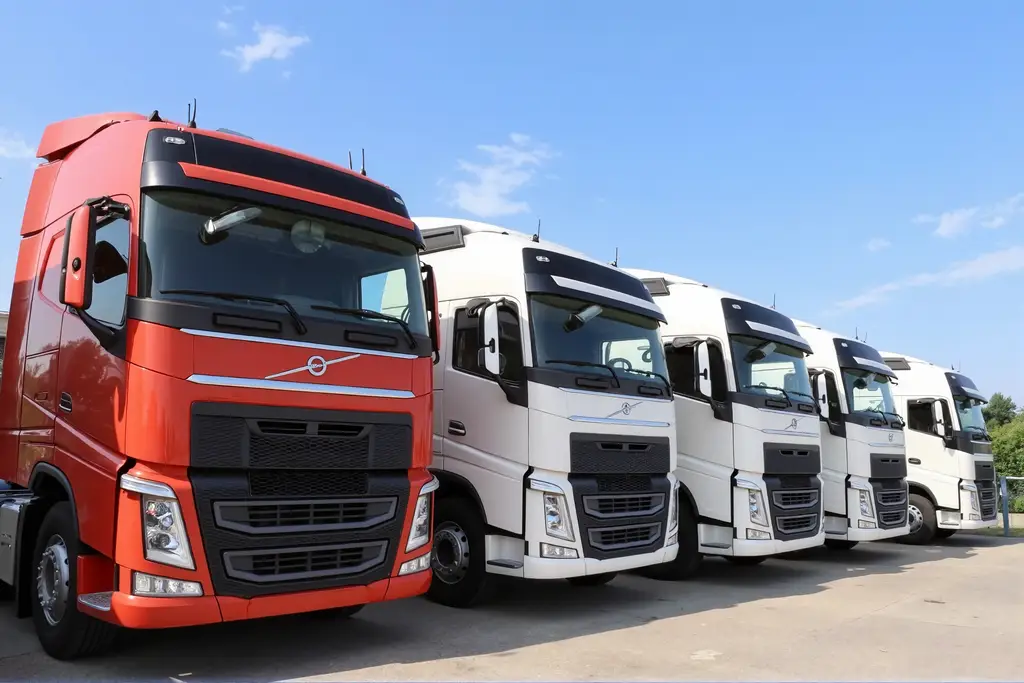
Ideal for fixed carriers, long-term monitoring, and scenarios that demand ultimate concealment. Typical use cases include:
- Corporate Fleets
- Long-term Security Monitoring of Private Cars
- Collateral Vehicle Monitoring
These scenarios are less sensitive to installation costs and prioritize operational stability and concealment above all else.
Scenarios for Wireless 4G GPS Trackers

Perfect for multi-carrier use, temporary monitoring, and flexible reuse needs. Typical use cases include:
- Car Rental Companies
- Cross-border Logistics/Valuable Goods Tracking
- Tracking of the elderly, children, and pets (portable and lightweight with no burden)
- Temporary vehicle dispatch
The core demands of these scenarios are flexible adaptation and multi-scenario reuse—where the wireless tracker can fully leverage its advantages.
A Must-Read for Beginners: Quick Setup and Troubleshooting Common Issues of Wireless 4G GPS Tracker
(I) 3-Step Quick Setup: Get Device Activation & Usage Ready in 5 Minutes
No professional skills are required. Follow the steps to complete device deployment and activate the tracking function in no time.
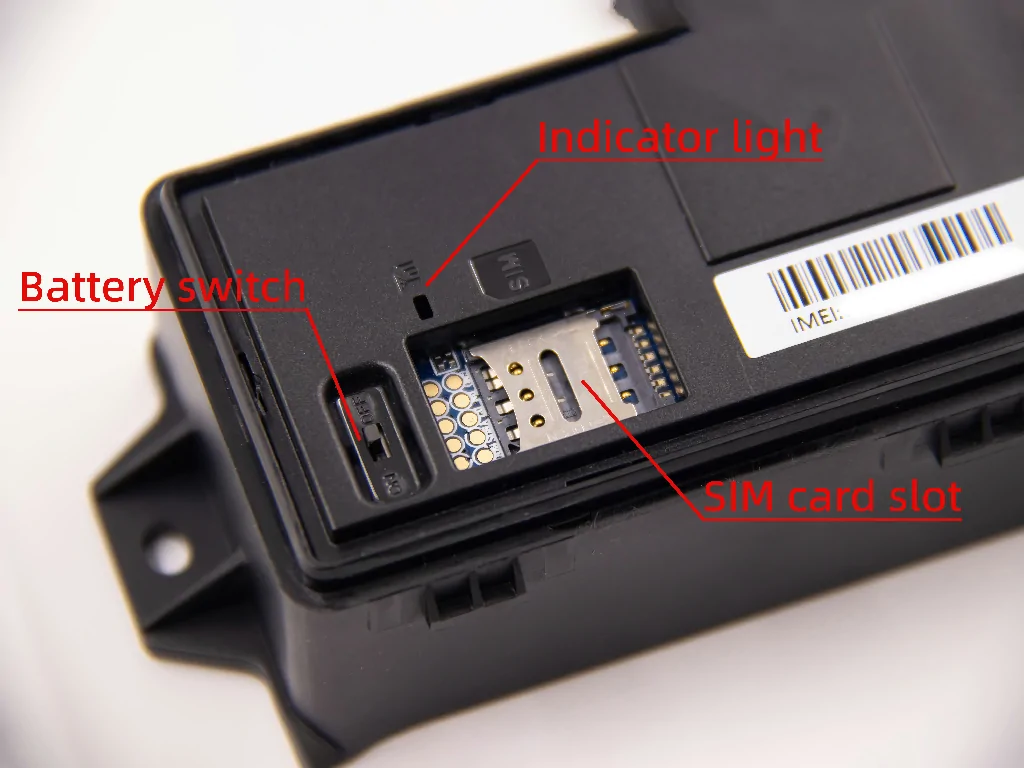
Step 1: Device Inspection & SIM Card Installation First, confirm that all device accessories are complete (tracker unit, charging cable, magnetic/adhesive mounting kits) and check the battery level (it is recommended to fully charge new devices before use). Insert a 4G-enabled IoT SIM card (a data plan is required; 30–50MB of data per month is sufficient). Ensure the SIM card chip is facing the correct direction to avoid poor contact. Some models need a restart to ensure the IoT SIM card is recognized properly.
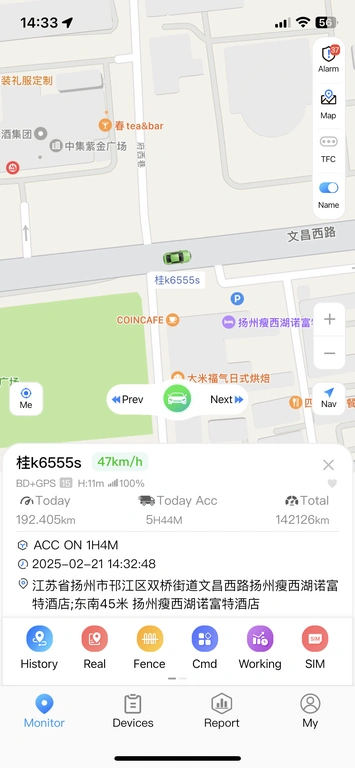
Step 2: APP Binding & Device Activation Scan the QR code on GPS device manual to download the official app of the corresponding brand, then complete registration and login. Select “Add Device” in the app, enter GPS device IMEI number (marked on GPS device body or manual) and IoT SIM card number, then submit to bind GPS device. Once the binding is successful, the app will automatically activate GPS device. The tracker will then start positioning and transmitting data—wait 1–3 seconds patiently for the real-time location to display.
Step 3: Positioning Debugging & Parameter Configuration Adjust the positioning update frequency according to your usage scenario. Set up a Geo fence (optional) to add safe zones, which will trigger automatic alerts when the tracker moves beyond the set boundaries. Test device functions (e.g., route playback, SOS alerts). Confirm that the positioning is accurate, the signal is stable, and the installation location is concealed without blocking signal reception. Then the deployment is complete.
(II) Common Troubleshooting
If you encounter issues like abnormal positioning or signal interruption during use, troubleshoot with the following methods first before contacting customer support unnecessarily.
Issue 1: The app fails to display real-time location and prompts “signal interruption” Troubleshooting Directions:
- Check if the SIM card is overdue, out of data, or not activated for 4G service—contact your carrier to recharge or activate the service.
- GPS device is in an area with weak signal (e.g., underground garage, enclosed space)—move it to an open area, wait 1–2 minutes, and allow it to rescan for signals.
- Poor SIM card contact—remove the SIM card, reinsert it correctly, and restart GPS device.
- Failed device binding—verify that the SN code and SIM card number are entered correctly, then try binding again.
Issue 2: Excessive positioning deviation and severe track drift Troubleshooting Directions:
- GPS device is in a location with weak satellite signals (e.g., dense urban high-rises, tunnels)—move it to an open area to calibrate positioning.
- The positioning frequency is set too low—increase the update frequency appropriately.
- GPS device is installed in a location blocked by metal (e.g., thick metal parts under the vehicle chassis)—adjust the installation location to avoid signal obstruction.
- A-GPS assisted positioning is not enabled—turn on this function in the app to improve positioning accuracy in weak-signal scenarios.
Issue 3: The app prompts “device offline” and fails to connect Troubleshooting Directions:
- GPS device battery is dead—charge it promptly and restart GPS device.
- GPS device has been tampered with or damaged—check if the installation location is intact.
- Frequency band incompatibility during cross-regional use—confirm that GPS device supports the local 4G frequency bands.
- Signal failure from the network operator—wait for the operator to restore service, or replace the SIM card with one from another carrier.
Wireless 4G GPS Tracker Buying Guide: Identify 5 Core Parameters to Avoid Pitfalls
When purchasing a wireless 4G GPS tracker, there is no need to blindly chase high specs—the key is to match your actual usage scenarios. Prioritize practicality, stability, and compatibility.
4G Network Compatibility: Prioritize Multi-Band Models for Global Use
Choose devices that support global multi-band 4G LTE (e.g., full-band FDD-LTE and TD-LTE) instead of single-band models. For domestic use, ensure coverage of the frequency bands of the three major carriers. For cross-border use, verify compatibility with the frequency bands of the destination countries (note the band differences in Europe, Southeast Asia, North America, etc.). This prevents signal interruption and positioning failure caused by band incompatibility.
Real-Time Positioning Update Frequency: Choose Based on Needs to Balance Accuracy and Battery Life
- High-frequency updates (1–5 seconds per update): Ideal for scenarios requiring precise tracking, such as vehicle anti-theft and emergency tracking, enabling real-time capture of device dynamics.
- Mid-frequency updates (10–30 seconds per update): Suited for corporate fleets and daily security monitoring, balancing tracking accuracy and battery life effectively.
- Low-frequency updates (1–5 minutes per update): Designed for long-term stationary assets and low-frequency tracking scenarios, maximizing battery life.
Battery Life: Consider Usage Scenarios and Focus on Actual Endurance & Power Supply Modes
- For scenarios with external power sources (e.g., corporate fleets, long-term vehicle-mounted use), prioritize device stability—battery life only needs to meet emergency needs.
- For scenarios without external power (e.g., personal security, cross-border logistics), select models equipped with a built-in high-capacity lithium battery of 5000mAh or higher and a battery life of over 7 days. Opt for devices that support rechargeable + low-power mode to ensure long-lasting operation.
Portability Design: Focus on Mounting Methods and Size to Meet Scenario Deployment Needs
Portability is a core advantage of wireless trackers, directly determining installation flexibility and concealment. Prioritize models with dual mounting options (magnetic attachment and adhesive mounting) that require no vehicle wiring disassembly. These trackers can be easily hidden in discreet locations without disrupting daily use (e.g., comfortable to wear on pets, compact enough for backpacks).
Waterproof & Dustproof Rating: Minimum IP65 for Harsh Environments
- For daily scenarios (e.g., backpacks, vehicle interiors), choose a minimum IP65 rating (splash-proof and dust-tight).
- For outdoor, under-vehicle chassis, and maritime shipping scenarios, opt for IP67 or higher industrial-grade ratings (resistant to short-term immersion and heavy dust), ensuring stable operation in rainy, bumpy, and dusty conditions.
Practical Solutions Suitable for Multiple User Groups
For Personal Security: Protecting the Elderly, Children, and Pets
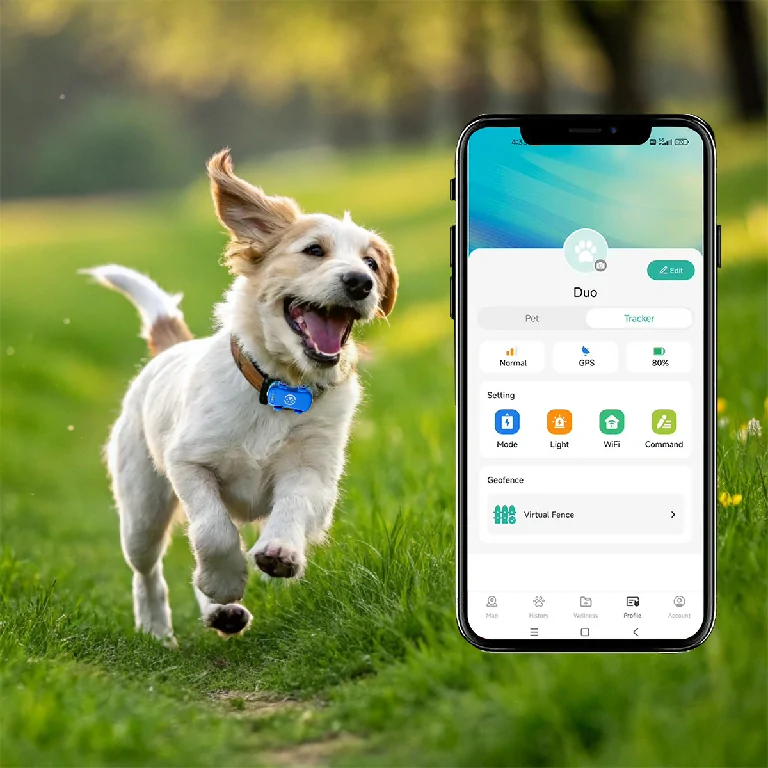
- Core Needs: Real-time monitoring, comfortable wearing, and long battery life
- Recommended Solution: Select ultra-compact, lightweight devices paired with pet collar accessories or portable lanyards for burden-free wearing. Enable the low-frequency positioning + vibration wake-up mode to extend battery life to 15–30 days, eliminating frequent charging and disassembly. Set up a Geo fence (e.g., around home or school) to trigger instant app alerts when the wearer leaves the safe zone. Support one-touch SOS emergency calls for the elderly or children to seek help quickly in emergencies. Enable the family sharing function on the app for multiple users to view the location simultaneously, enhancing protection safety.
- Key Notes: Choose devices with an IP65 or higher waterproof rating to handle scenarios like pets getting caught in rain or the elderly washing hands. Install GPS device in a hidden location to prevent accidental removal by children or pets. Disable the audio recording function to protect privacy.
For Vehicle Management: Ideal for Car Rental Companies and Private Car Owners

- Core Needs: Asset protection, flexible reuse, and non-destructive installation
For Car Rental Companies
- Recommended Solution: Choose devices with dual mounting options (magnetic attachment + adhesive mounting). Install the tracker in 30 seconds when the renter picks up the car (hidden under seats or in the trunk), and remove it instantly for reuse after the car is returned. Enable high-frequency positioning + Geo fencing to monitor vehicle routes in real time and prevent unauthorized cross-regional driving. Rely on the dual-power-supply mode: power GPS device via the vehicle’s USB port for continuous operation, and use the built-in battery as a backup for emergency use in case of malicious power disconnection, ensuring uninterrupted tracking. Manage multiple devices in batches on the app backend and generate route reports during the rental period to clarify responsibilities.
For Private Car Owners
- Recommended Solution: Choose small, highly discreet devices and attach them to hidden locations like the vehicle chassis or trunk. Enable mid-frequency positioning + abnormal movement alerts to trigger instant vibration alarms when the car is parked for long periods. Monitor driving routes and speed in real time when the car is lent out to avoid reckless driving. No external power supply is required—rely on the lithium battery and charge it just once a month. The non-destructive installation requires no modification to the original vehicle wiring, avoiding impacts on vehicle warranty.
For Cargo Tracking: Solving Pain Points in Cross-Border Logistics and High-Value Goods Monitoring

- Core Needs: Long-distance battery life, resistance to harsh environments, and full-process tracking
- Recommended Solution: Choose waterproof and earthquake resistant models with an IP67 rating or above to resist moisture during sea transportation, bumps during land transportation, and dust erosion. Equipped with a large capacity lithium battery (over 5000mAh), with “ultra-low frequency positioning” enabled, the battery life is extended to 30-60 days, supporting full cross-border transportation without the need for intermediate charging. Choose multi-band 4G devices compatible with networks in different countries/regions worldwide to ensure stable signals during international transportation. Set up waypoint alerts to receive automatic notifications when goods arrive at key nodes, allowing real-time tracking of transportation progress and preventing lost or tampered goods.
- Key Notes: Secure GPS device in a hidden location inside the cargo packaging to prevent malicious removal. Test compatibility with the 4G frequency bands of the destination country in advance and select globally compatible models. Keep full-process route records as shipping documentation to clarify liability in case of disputes.




Responses
Discussion
0 responses
No responses yet
Start the discussion with a practical question or field note related to this article.