
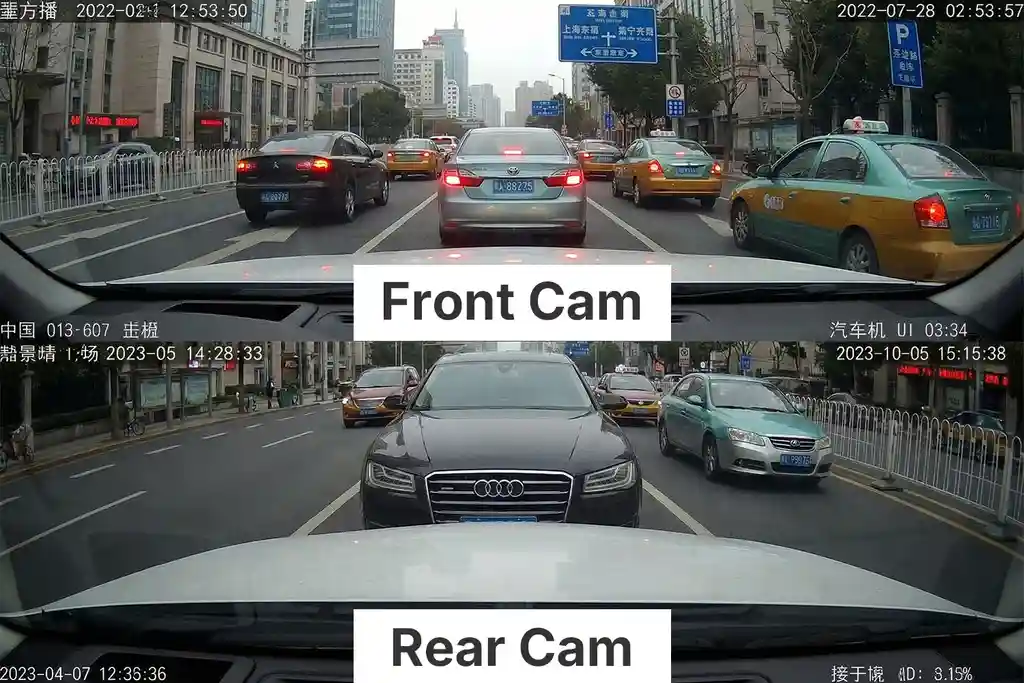
Why Front & Rear Dashcam Are Non-Negotiable for Every Driver?
1.1 The Shortcomings of Single-Lens Dashcam

A single-lens dash cam only captures what’s ahead of your vehicle. When it comes to rear-end collisions, intentional lane-cutting, parking lot scratches, or even insurance fraud attempts from the side/rear, it frequently falls short of providing credible evidence—leaving you vulnerable in disputes or insurance claims.
1.2 Core Value of Front & Rear Dashcam
① The “one-sided view” of a single lens can no longer keep up with the complexities of real-world driving. Front & rear dashcam, with their synchronized dual-camera recording, eliminate the critical blind spot gap of single-lens units, delivering all-round coverage you can rely on.
② The front camera locks onto road conditions ahead, capturing sudden braking from the vehicle in front, traffic light changes, and violations by oncoming cars—key proof for liability determination. The rear camera monitors your vehicle’s rear and the road behind, tracking following distances, lane changes of trailing cars, and even unexpected collisions or vandalism when parked.
③ Most models also support an optional in-car camera, enabling “front + rear + interior” triple recording. This is a game-changer for ride-hailing/taxi drivers to document passenger behavior and family users to keep an eye on kids in the back seat.
④ Beyond accident evidence, front & rear dashcam shine in 24/7 vehicle security. Equipped with parking mode and motion detection, they auto-start recording when a collision or moving object is detected—even after the engine is off—standing guard over your vehicle day and night.
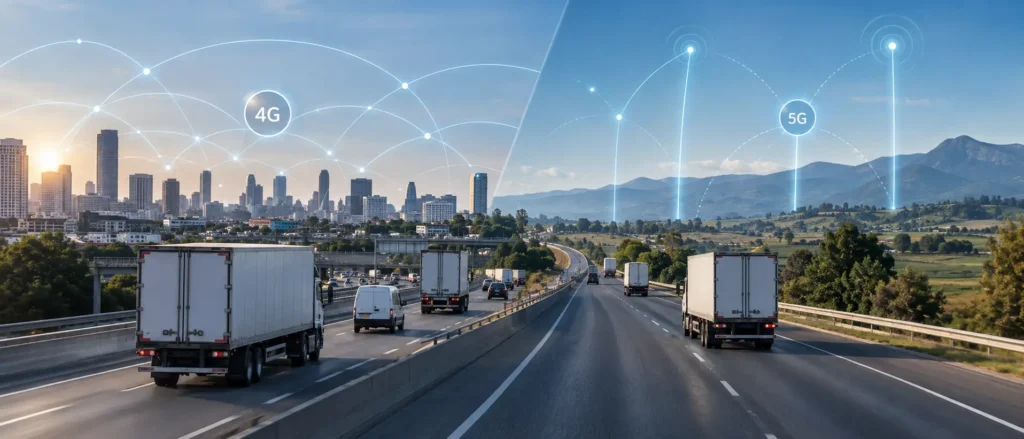
⑤ 4G-enabled front & rear dashcam take security a step further by sending real-time alerts to your smartphone, enabling remote monitoring. Whether you’re commuting daily, road-tripping, or leaving your car parked, a front & rear dash cam delivers dual-layer protection, letting you drive and park with total peace of mind.
2026 Curated Top Front & Rear Dashcam
2.1 Thinkware U1000
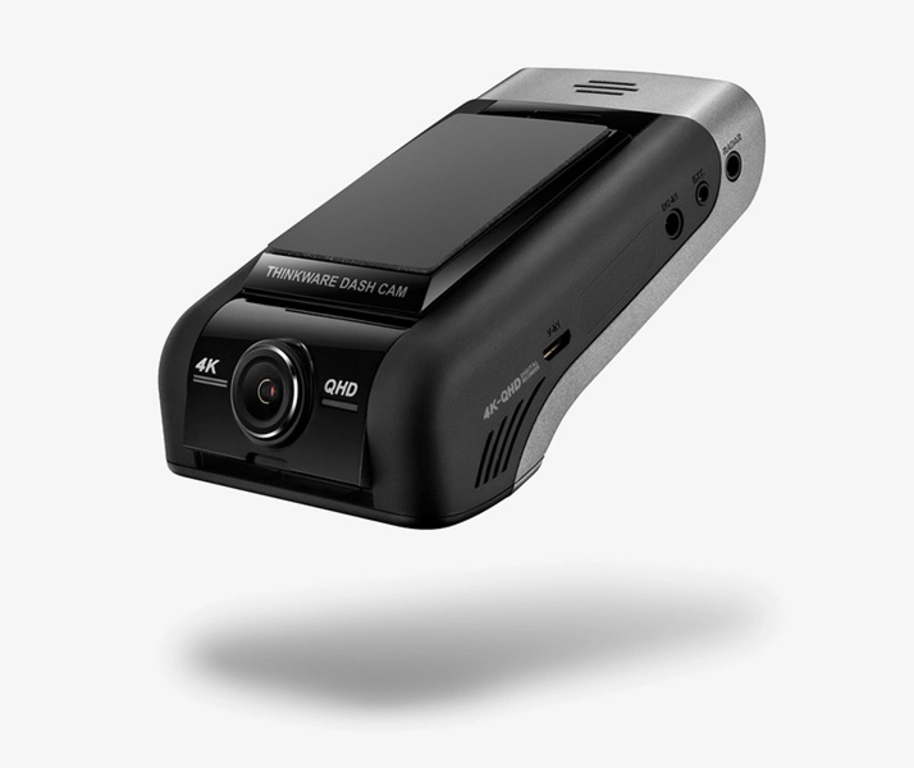
The front camera of this device supports UHD 4K/30fps or 2K 1440p/60fps recording. The 4K resolution clearly captures license plates and road sign text of vehicles ahead, while the 2K+60fps combination reduces motion blur—making it easier to distinguish details when replaying accident moments—while controlling file size to prevent rapid storage saturation. The rear camera records at 2K 1440p/30fps, paired with a 156° wide-angle lens that covers multi-lane views behind the vehicle with no obvious distortion.
Core Features: Built-in GPS accurately records driving speed and location. Combined with the dedicated APP, it can restore driving trajectories on the map, providing strong evidence for accident liability determination. It also supports speed camera and red light camera alerts to enhance driving safety. Power supply options include 12V interface, OBD, or hardwired connection. Choosing hardwired or OBD power enables parking mode for 24-hour monitoring.
2.2 Cobra SC 400D
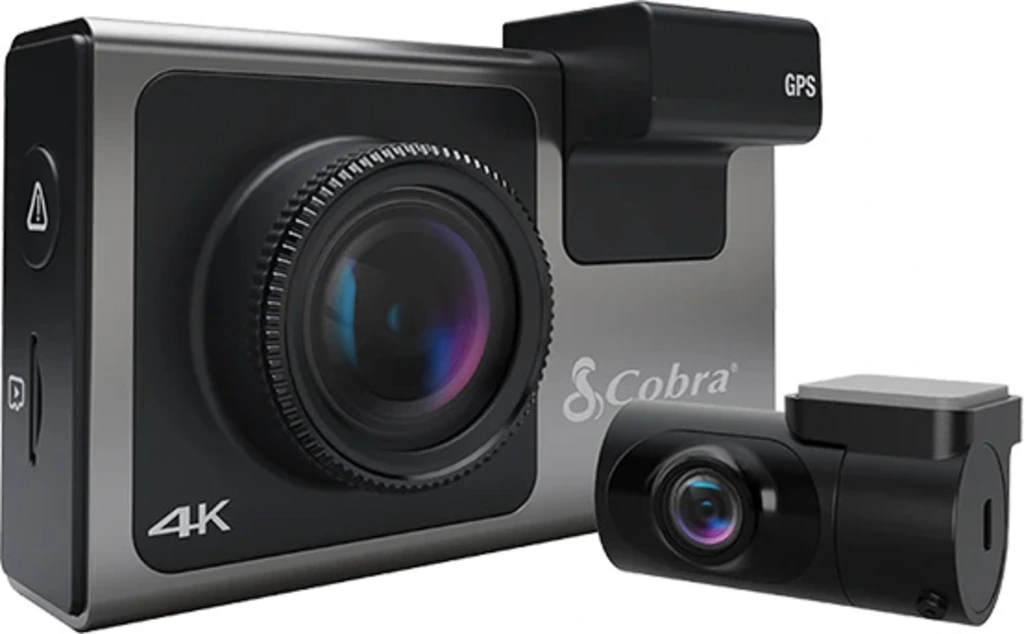
With true 4K performance, it stands out as the top choice for image quality. Its front camera adopts a 4K resolution sensor, delivering sharp, bright footage with balanced colors and excellent noise control. Even in complex lighting conditions, it clearly restores details—whether in strong sunlight during the day or backlighting in the evening, HDR technology balances light and shadow contrast to avoid overexposure in bright areas or out-of-focus in dark areas. The rear camera features 1080p Full HD resolution; although its specs are not as good as the front camera, the image quality is stable enough to meet the needs of preserving evidence for rear-end accidents.
Highlights: Built-in Alexa voice assistant and GPS positioning. Via voice commands, car owners can directly control dash cam to start recording or take photos without manual operation, avoiding distracted driving. GPS not only records speed and location but also synchronizes with videos, intuitively displaying driving status during playback. Equipped with a 3-inch touchscreen for easy operation, it allows direct playback and settings adjustment on the device, solving the tedious operation issue of some high-end models that rely on APP control.
2.3 Viofo A329 2CH
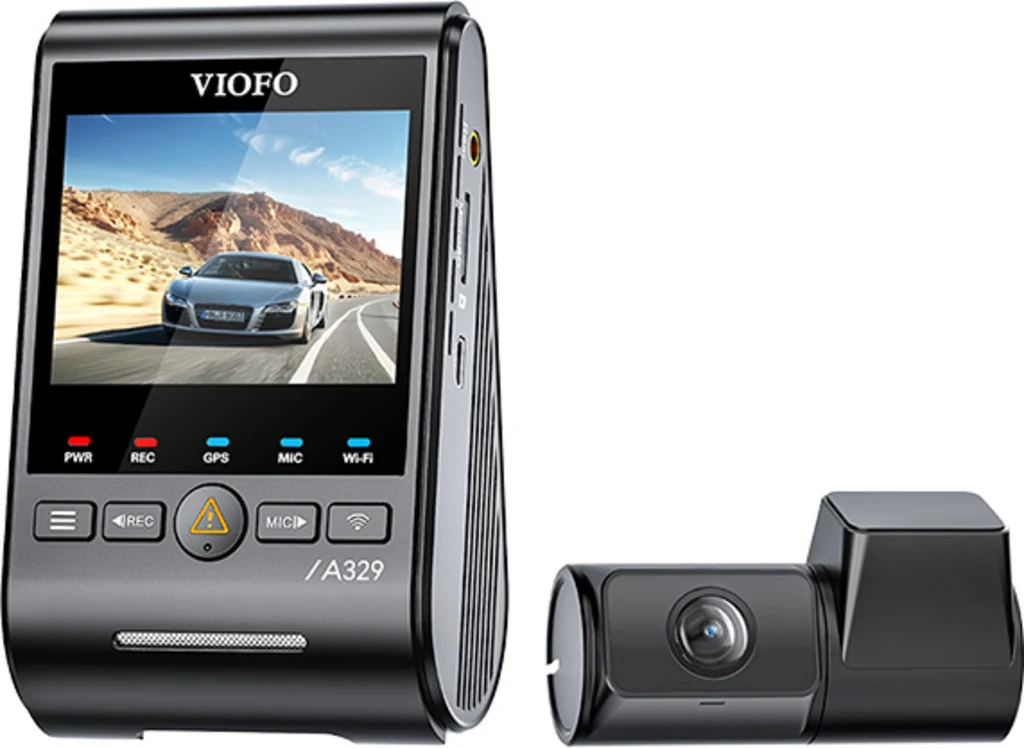
One of the few models offering front & rear dual 4K recording at an affordable price, it can be called a “flagship at a budget-friendly cost.” Both front and rear cameras support 4K/30fps recording, with image quality far exceeding 1080p models in the same price range. It captures clear license plates and road details both day and night, and performs impressively in complex lighting conditions thanks to HDR technology.
Practical Auxiliary Functions: Built-in GPS records driving trajectories and speed. WiFi connection enables quick video transfer to mobile phones without removing the SD card. It supports parking mode (requires a hardwired kit), which detects collisions via a gravity sensor, automatically starts recording, and locks the video to prevent overwriting by loop recording. Equipped with a 3-inch LCD screen—though not a touchscreen—it features simple operation logic, allowing direct playback and settings adjustment on the device.
2.4 Great Will GD17 2K IPS Screen
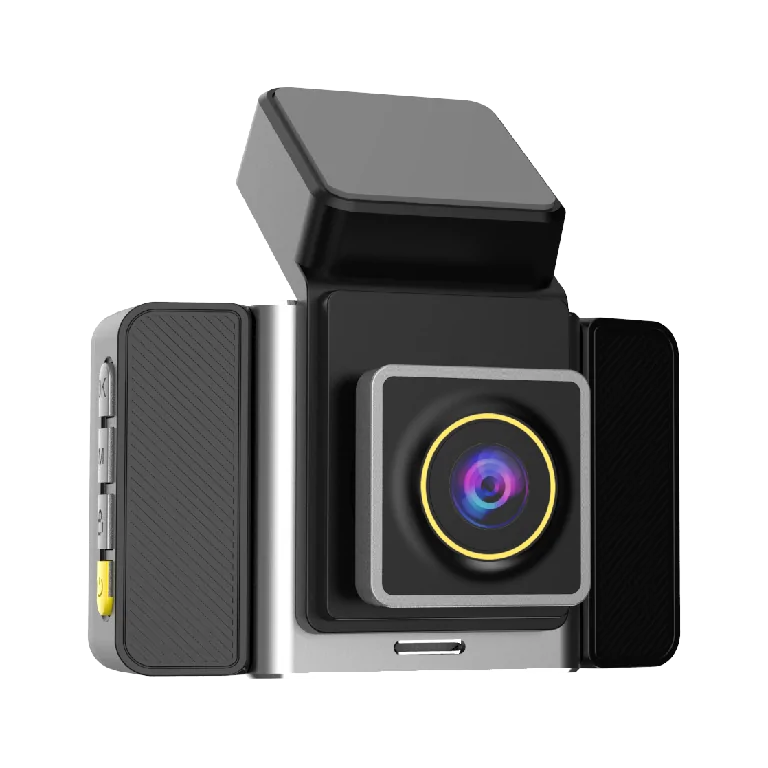
This front & rear dashcam features 2K (2560×1440) front recording and 1080P rear recording. The 140°+130° wide-angle combination covers multi-lane views, avoiding missing accident details. The F2.0 large aperture and high-end Koteiwei GC series image sensor solve image quality issues in scenarios such as dim urban street lights at night and backlighting on rainy nights, ensuring clear license plate recognition.
The super farad capacitor design resists high temperatures (operating temperature: -20℃~70℃), coping with vehicle exposure to intense sunlight in summer and being safer and more durable than lithium batteries. Matching with a step-down cable enables 24-hour parking monitoring, solving the pain point of evidence collection for scratches in open-air community parking lots.
2.5 Garmin Dash Cam X310
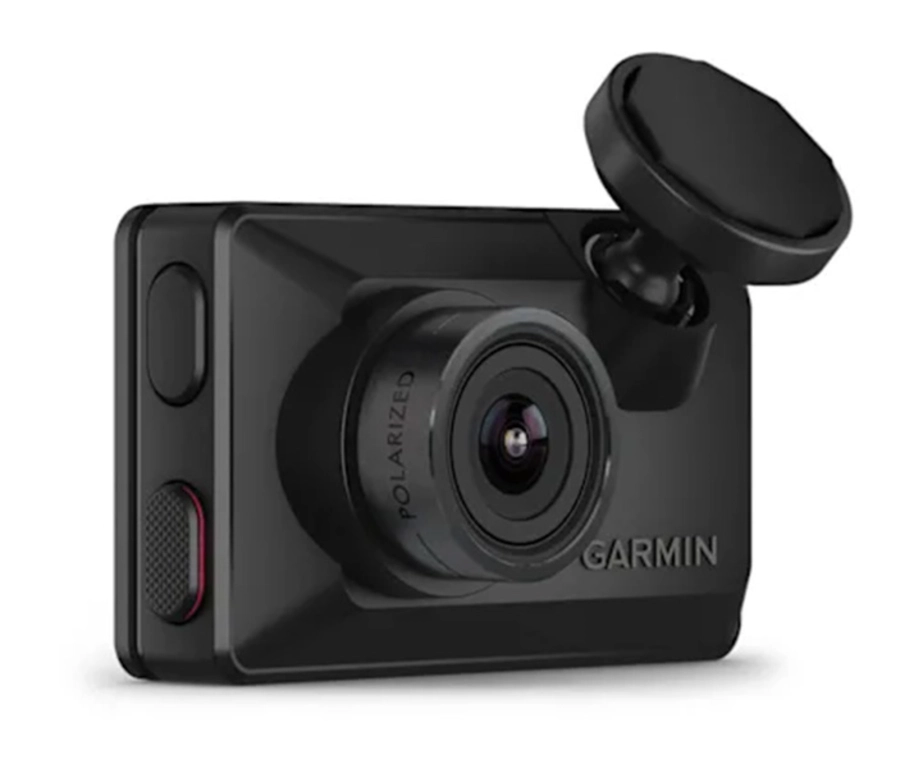
One of its standout features is the dual-camera design—both the front camera and in-car camera offer a 180° wide-angle view. The front camera captures 1440p HD video, while the in-car camera records clear 720p video. The GPS sensor accurately records the location and time of events, providing detailed background information for the recorded footage. In addition, the device is equipped with voice control, allowing hands-free, safe, and convenient operation while driving.
2.6 Nextbase 622GW
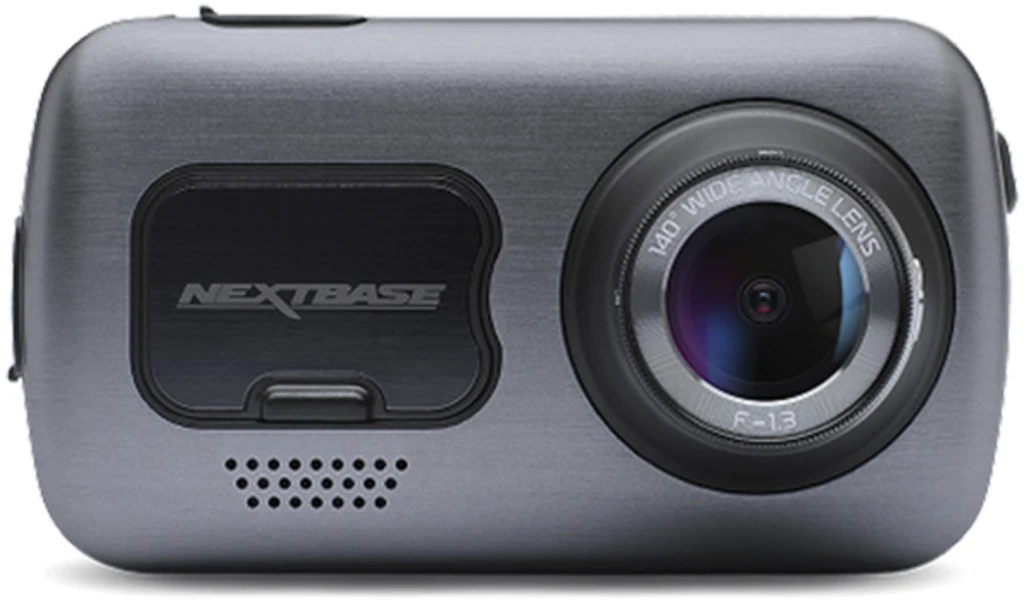
It features a combination of 4K/30fps front recording and 1080P/30fps rear recording. The front camera captures ultra-high-definition image details, while the rear camera ensures complete recording of road conditions behind. Both front and rear cameras are equipped with HDR technology, delivering excellent color reproduction and light-dark layering in dynamic scenes. Even in high-speed movement and strong light switching scenarios, the dual-record footage remains pure, stable, and free of motion blur or trailing.
It supports synchronous marking and quick retrieval of dual-record videos, allowing precise positioning of front and rear footage before and after accidents by time and location. Built-in WiFi + Bluetooth dual-mode connection increases video export speed by 30% compared to single-mode, enabling access to original-quality dual-record files without tedious operations. When the emergency SOS function is triggered, it automatically locks key front & rear dual-record clips and sends location information, further enhancing the security of dual-record evidence collection.
2.7 BlackVue DR750X-2CH Truck Plus
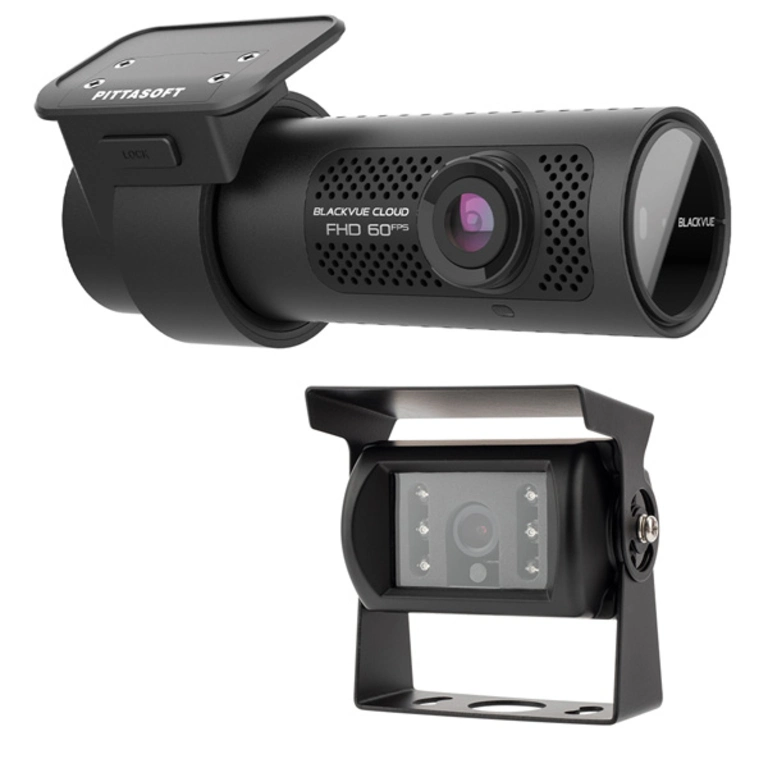
Customized dual-recording solution for commercial vehicles, it supports synchronous 1080P/30fps recording for both front and rear cameras. Both cameras are equipped with 140° wide-angle lenses to cover blind spots in front and behind trucks. Matching with a dedicated adjustable bracket, the shooting angle can be fine-tuned according to vehicle size, ensuring that dual-record footage fully covers the vehicle’s driving trajectory. It supports loop recording while retaining collision-locked clips, and dual-record files are stored by time partitions for easy later review.
Adopting an industrial-grade protection design, it has an extended operating temperature range of -20℃~75℃, with better high-temperature resistance and anti-vibration performance than ordinary models, stably maintaining dual-recording function under long-distance bumpy and extreme climate conditions for trucks. It supports remote viewing of real-time and playback front & rear dual-record footage, adapting to the unified management needs of fleets, and solving the core pain points of dual-record evidence collection and vehicle condition monitoring for commercial vehicles operating remotely.
2.8 Miofive S1 Ultra
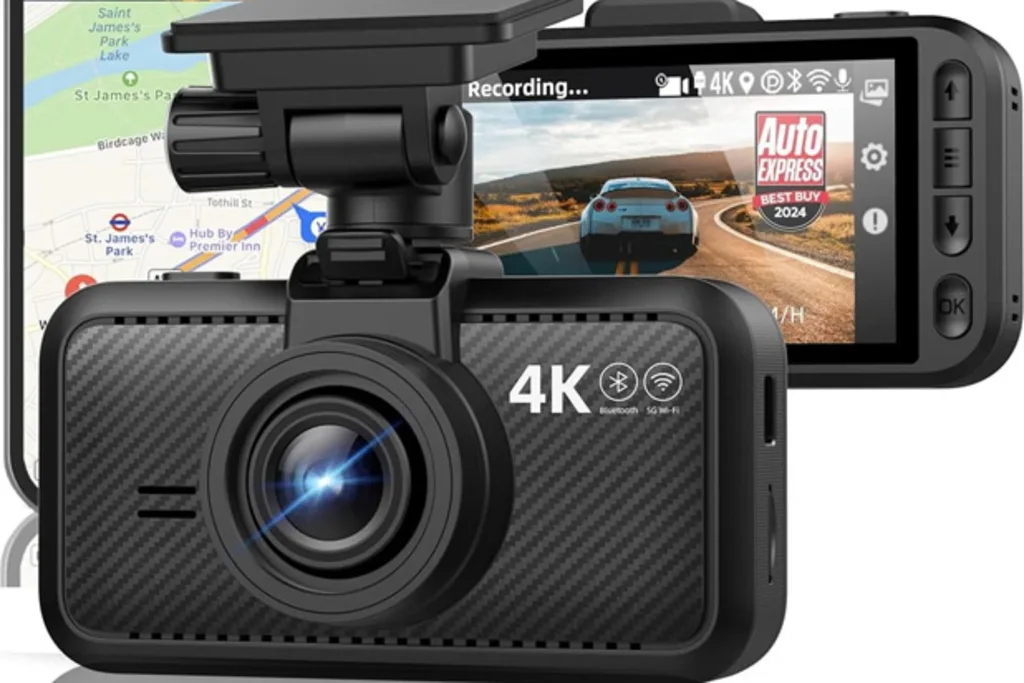
It combines 2.7K/30fps front recording and 1080P/30fps rear recording, balancing high-definition image quality and storage economy. Both front and rear cameras are equipped with F1.8 large apertures and 3D noise reduction algorithms, achieving excellent noise control in low-light night environments with purity superior to products in the same price range. It also supports real-time preview of front & rear dual images, synchronously displaying rear camera footage when reversing for safer parking assistance.
Its installation does not block the driver’s view, suitable for family cars. It supports automatic locking of front & rear dual-record videos upon collision, accurately capturing collision moments via gravity sensor to avoid overwriting of key dual-record clips. Dual-record videos can be exported to mobile phones with one click, featuring low operation threshold, ideal for family users with quality requirements and limited budgets.
2.9 Great Will GD09 OBD Interface 2CH
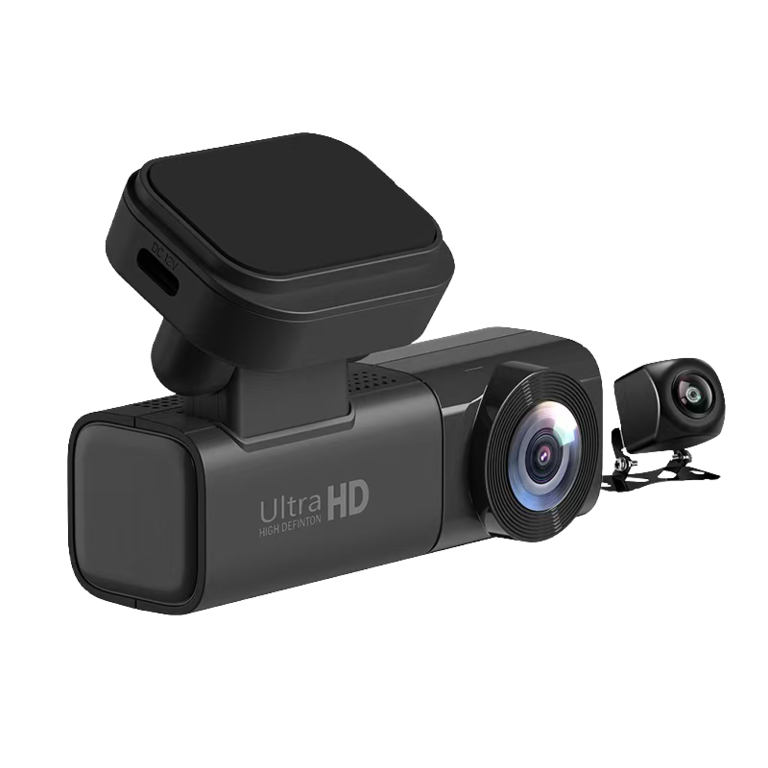
Great Will front & rear dashcam supports synchronous 2K/30fps front recording and 1080P/25fps rear recording. Both cameras enable HD image preview and playback with no screen tearing or delay during dual recording. Matching with OBD interface power supply realizes 24-hour uninterrupted parking monitoring for dual recording. It automatically locks front & rear dual-record videos upon collision, completely avoiding vehicle battery drain compared to traditional step-down cable power supply, ensuring continuous and stable dual-recording function.
The OBD interface supports plug-and-play, enabling easy installation without damaging the original vehicle wiring, suitable for ride-hailing, taxis, and other scenarios requiring long-term parking monitoring. It supports remote viewing of real-time and historical front & rear dual-record footage via mobile APP, compatible with fleet management systems for centralized management of multi-vehicle dual-record data. Integrating OBD data monitoring, it synchronously records vehicle speed, fuel consumption, and other data while dual recording, providing dual support for fleet operation analysis.
Why Choose a Front & Rear Dashcam?
Accident Evidence Collection

It compensates for the shortcoming of single-lens devices that “only record the front of the vehicle and miss the rear”. With full panoramic coverage, the front & rear dashcam is not only a driving “black box” but also hard currency for rights protection! Faced with sudden situations such as rear-end collisions, insurance fraud, intersection disputes, and highway chain collisions, the front camera records the dynamics of the vehicle ahead, while the rear camera freezes the trajectory of the vehicle behind. The dual-channel footage synchronously locks key details, clearly restoring the entire accident scene, making liability division clear at a glance. A single dual-record video can directly handle traffic police liability determination and insurance claims, saving you time costs, protecting your rights and interests, and ensuring a more peaceful driving experience.
Parking Security
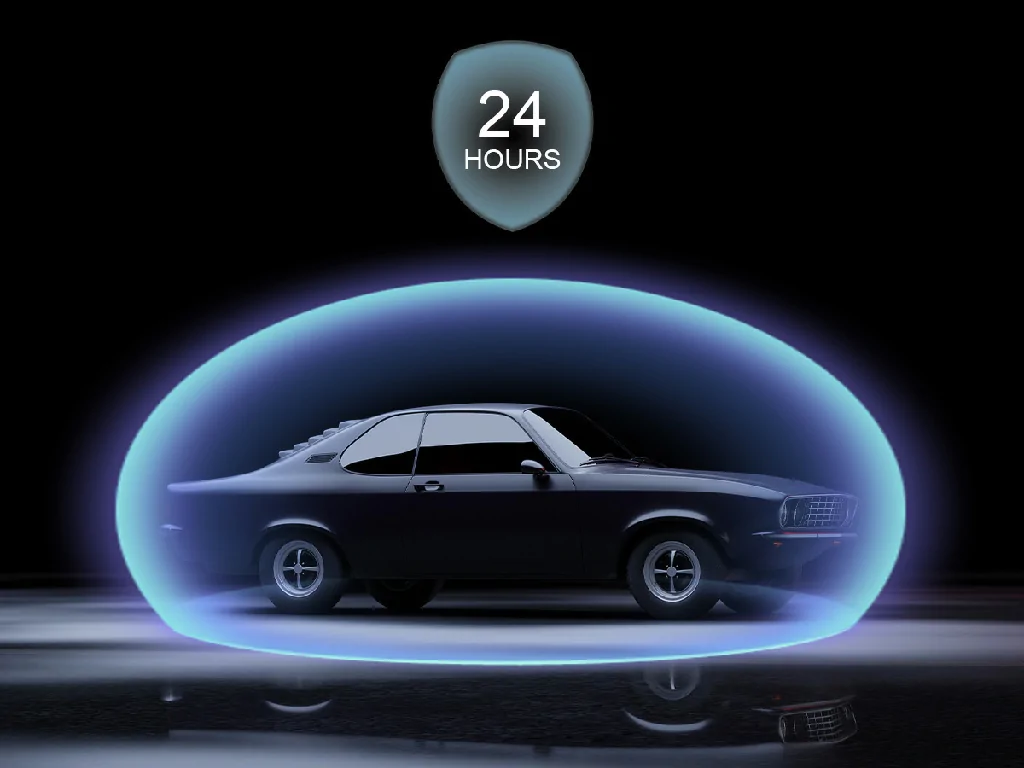
Most car owners face the pain point of “easy parking but difficult scratch prevention”. When the front & rear dashcam is turned on 24-hour parking monitoring mode, time-lapse recording technology accurately captures movements around the vehicle. Whether it is malicious scratches in open parking spaces, theft in underground garages, or accidental collisions, the dual cameras synchronously record suspect features and involved vehicle information, providing complete clues for accountability. Even when you are not beside the car, it can provide all-round protection for your beloved vehicle, eliminating the “anxiety after parking” and allowing you to leave without worries every time.
Driving Assistance
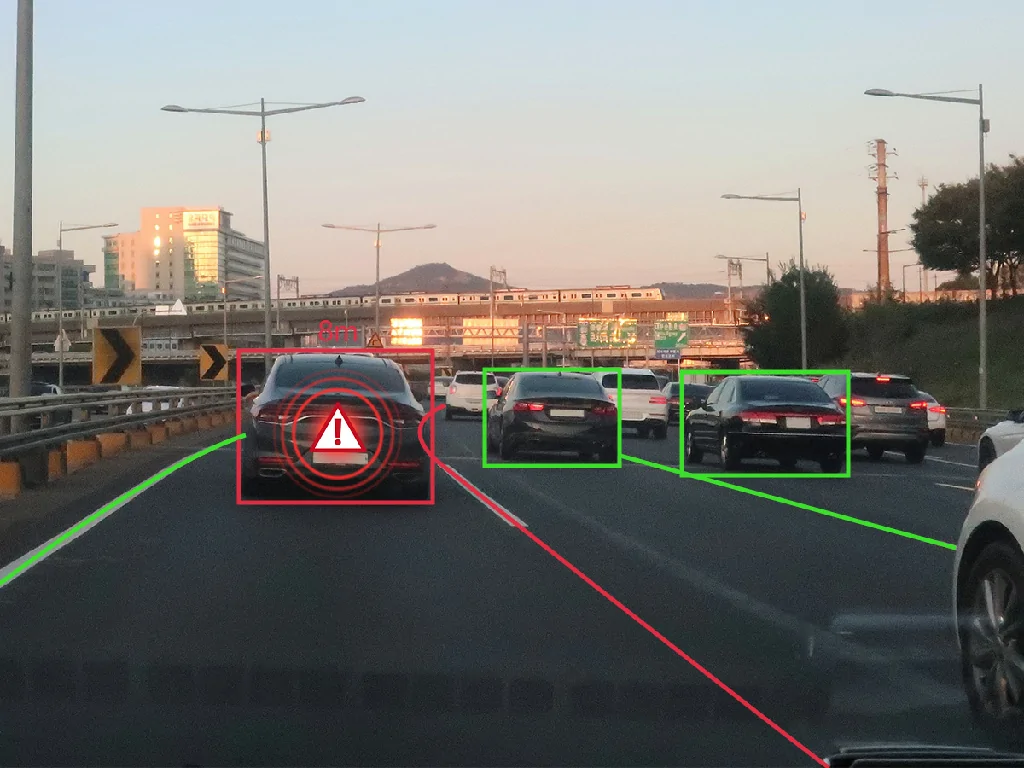
High-end models are equipped with ADAS (Advanced Driver Assistance Systems). The front and rear dual cameras collaborate to calibrate vision, accurately identify lane lines and distance from the vehicle ahead, and provide early warnings for lane departure and forward collision risks, promptly reminding you to avoid dangers and greatly reducing potential safety hazards during high-speed driving and night driving. Novice drivers can use the rear camera’s reverse image + guide lines to easily solve the problem of blind spots when reversing. During long-distance self-driving trips, the active warning function relieves driving fatigue, building an “intelligent safety barrier” for every journey and making driving easier and more stable.
Front & Rear Dashcam Buying Guide
Resolution and Frame Rate
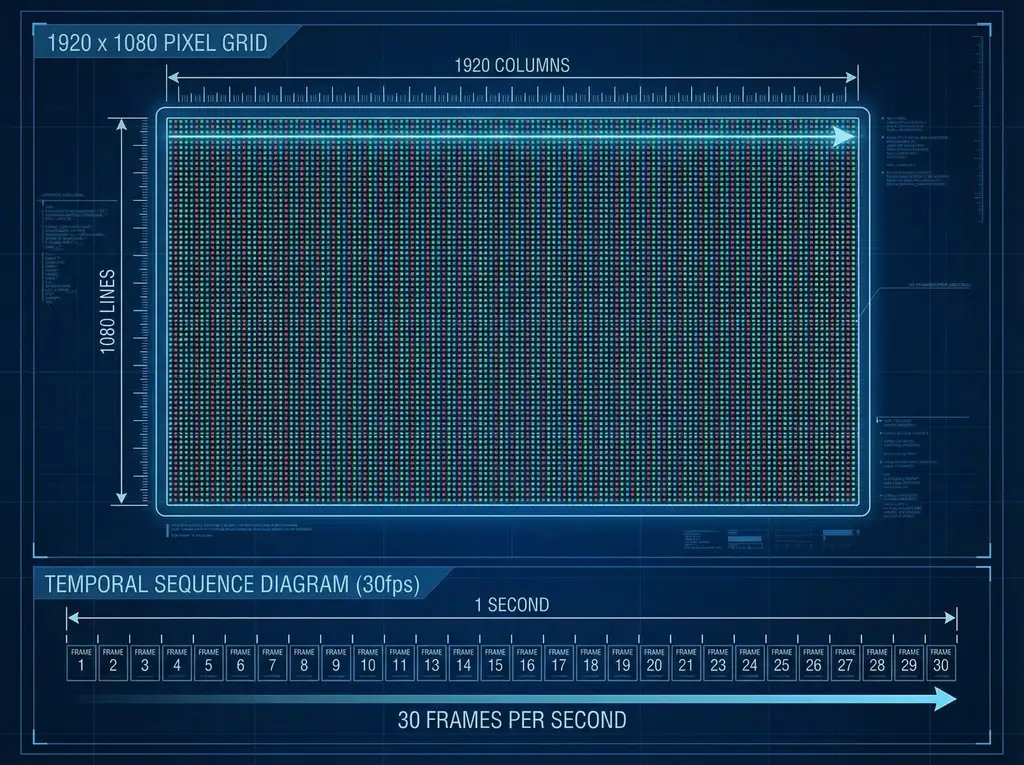
| Resolution | Image Quality Performance | Applicable Scenarios | Recommended Frame Rate |
|---|---|---|---|
| 720P (Standard Definition) | Blurry images with severe detail loss | Backup for old vehicles, bulk purchases for low-cost truck fleets | 30fps only, meeting basic recording needs |
| 1080P (Full HD) | Clear details, capable of identifying license plates and road signs | Daily commuting for family cars, cost-effective choice | 30fps is sufficient. 60fps optional for frequent high-speed driving |
| 2K (Ultra HD) | Delicate image quality with less noise at night | Family cars and ride-hailing vehicles pursuing high-definition quality | 30fps balances quality and storage. 60fps suitable for dynamic scenarios |
| 4K (Ultra HD) | Full details, enabling zoom-in recognition of distant license plates | High-end family cars, long-distance freight vehicles (needing clear evidence retention) | 30fps preferred (4K 60fps videos occupy massive storage, not recommended for non-professional needs) |
Key Impact of Frame Rate on Dual-Record Footage
- 30fps (Basic Frame Rate): Meets daily commuting and urban road recording needs. The video fluency is sufficient, and it occupies less storage space, making it the default option for most models.
- 60fps (High Frame Rate): Records videos with less motion blur, capturing clearer details of moving objects in scenarios such as high-speed driving, rapid overtaking, and poor visibility on rainy days. The disadvantage is that at the same resolution, the video size is twice that of 30fps, requiring higher memory card performance.
Night Vision Performance
Hardware Configuration Requirements
- Sensor Size: Prioritize CMOS sensors of 1/2.8 inches or larger. The larger the light-sensitive area, the less noise and cleaner the image quality in low light.
- Aperture Specification: Both front and rear cameras should have an aperture of f/1.6 or lower (smaller value means more light intake). A large aperture is the foundation of clear night vision.
- Fill Light Technology: The front camera can support infrared fill light or starlight night vision. Strong fill lights are prohibited for the rear camera (they will dazzle the driver of the following vehicle, causing safety hazards).
Actual Imaging Requirements
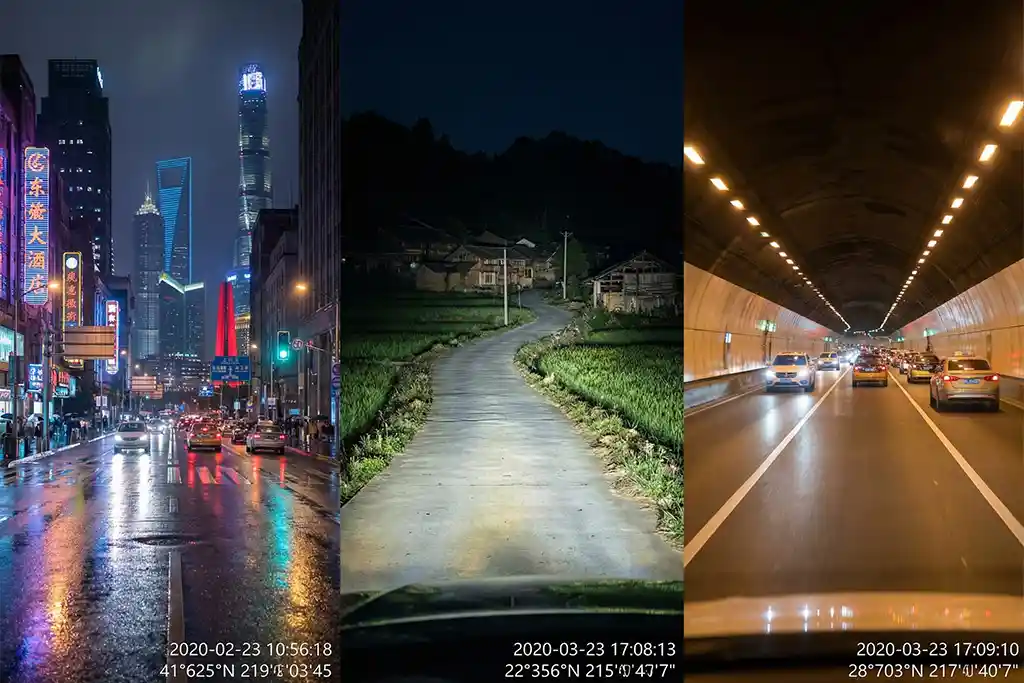
- When recording at night, it should clearly identify license plates within 15 meters ahead and 10 meters behind the vehicle.
- In scenes with alternating light and dark in tunnels, the image should have no obvious overexposure or underexposure, and no freezes during rapid switching.
- When recording in rainy and foggy weather, the image should have strong transparency, without blurred details caused by glass reflections.
Field of View (FOV)
Reasonable FOV Range
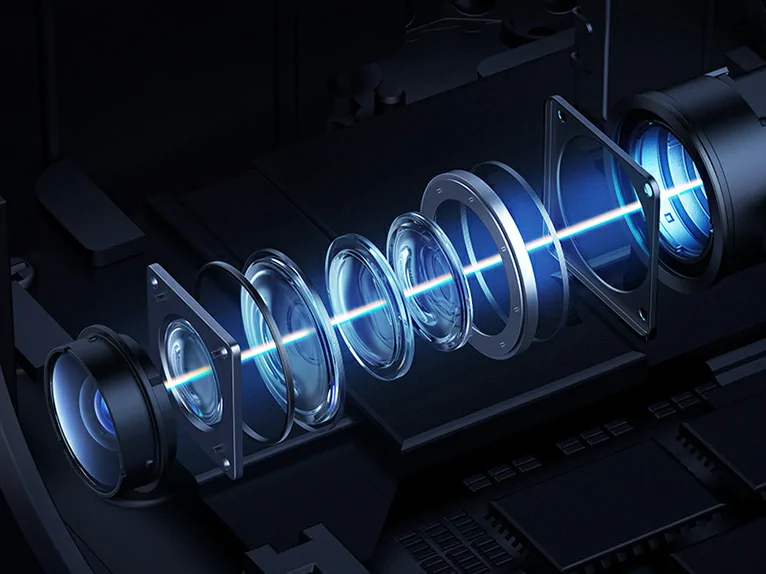
- Front Camera: 130°-170°, with 140°-150° as the golden range. This angle can cover three lanes in front of the vehicle, capture lane-changing movements of vehicles on both sides, and avoid image distortion caused by excessively wide angles.
- Rear Camera: 120°-150°. Limited by the size of the rear windshield, 120°-130° is sufficient to cover all lanes behind the vehicle. Excessively wide angles may cause image stretching and detail distortion.
Role of Wide Angle in Blind Spot Capture A sufficient wide angle can reduce the “front blind spot” and “reverse blind spot” of the vehicle. When passing vehicles on narrow roads and parking, it can record more surrounding environments, avoiding scratch disputes. Note: Wider is not better. A front camera with a FOV exceeding 170° will have severe distortion, and key information such as license plates and road signs may be stretched and deformed, losing the significance of evidence collection.
Storage and Loop Recording
Principle of Loop Recording Dash cams divides the memory card into several video clips (usually 1/3/5 minutes). When the memory card is full, it automatically overwrites the earliest unlocked videos to achieve 24-hour loop recording.
- Buying Tips: Support custom segment duration. Choose 1-minute segments for short commutes for easy quick search. Choose 5-minute segments for long-distance driving to reduce the number of video divisions.
- Memory Card Requirements: Must use U3-class high-speed TF cards (writing speed ≥30MB/s), with a recommended capacity of 64GB-128GB (128GB or more recommended for 4K dual-record models) to avoid video freezes and loss due to insufficient card speed.
Importance of Emergency Lock Function When a collision or sudden braking occurs, the built-in G-sensor will automatically trigger emergency locking, marking the video clips before and after the collision as “read-only” to prevent overwriting by loop recording. This is a core guarantee for accident evidence collection.
- Buying Tips: Support G-sensor sensitivity adjustment (high/medium/low levels). Choose medium level for family cars to avoid false triggers when passing speed bumps. Choose high level for trucks to capture minor scratches.
Intelligent Additional Functions
A detailed analysis of practical functions, including parking monitoring (time-lapse recording, collision trigger, and key points for using with a step-down cable), wireless transmission (WiFi/5G WiFi, Bluetooth), voice control, ADAS driving assistance, reverse image integration, cloud storage, etc., explaining user scenarios suitable for different functions (family cars, commercial vehicles, long-distance freight vehicles).
| Function Type | Function Analysis | Suitable User Scenarios |
|---|---|---|
| Parking Monitoring | Two modes: 1. Time-lapse Recording: Reduces frame rate for recording, compressing one hour of video into a few minutes to save power and storage space. 2. Collision Trigger: Automatically starts recording when the vehicle is hit. Matching Points: Requires an external step-down cable to avoid draining the original vehicle battery. |
Family cars (prone to scratches in community parking), ride-hailing vehicles (night parking) |
| Wireless Transmission | – WiFi/5G WiFi: Connects to mobile APP at close range for quick video download and sharing; 5G WiFi offers faster transmission speed. – Bluetooth: Mainly used to connect to mobile voice assistants or car audio, with slow video transmission speed. |
Family cars (frequent video viewing), short video creators (sharing self-driving videos) |
| ADAS Driving Assistance | Includes functions such as forward distance warning, lane departure reminder, and pedestrian recognition, providing real-time voice alerts for dangerous driving behaviors. | Novice drivers, ride-hailing drivers (prone to fatigue during long hours of driving) |
Scenario-Based Buying Recommendations
- Family Cars: Prioritize 1080P/2K dual recording + night vision enhancement + parking monitoring + reverse image to meet daily commuting and parking protection needs.
- Commercial Vehicles/Ride-Hailing Vehicles: Prioritize 2K/4K dual recording + ADAS assistance + cloud storage + high G-sensor sensitivity to improve driving safety and fleet management efficiency.
- Long-Distance Freight Vehicles: Prioritize 4K dual recording + time-lapse recording + large-capacity storage + high-temperature resistant design to adapt to recording needs during long-distance driving and harsh environments.
Best Front & Rear Dashcam Recommendations for Different Scenarios
Daily Commuting Scenarios (Urban Roads/Family Vehicles)
Core Needs: Cost-effective, clear night vision, easy installation, parking monitoring. Meeting daily accident evidence collection and basic safety requirements. Recommended Products: 70mai M310 Pro 3K, 360 K580 Pro, Great Will GD17
1. 70mai M310 Pro 3K
| Specification Item | Detailed Specifications |
|---|---|
| Front & Rear Resolution | Front: 3K (2880×1620), Rear: 1080P |
| Night Vision Configuration | f/1.55 large aperture + Starlight Night Owl Imaging Technology, light intake increased by about 78% |
| Field of View | Front: 139° (covers 3 lanes), Rear: 120° |
| Featured Functions | Voice control (“Take a photo”, “Emergency lock”), Intelligent WDR, Parking monitoring (time-lapse recording/collision trigger) |
| Storage Support | Up to 256GB TF card (U3 class) |
Recommendation Reasons:
- 3K Ultra HD + Night Vision Enhancement: Clearly identifies distant license plates during the day and details within 15 meters in unlit roads at night, adapting to complex urban lighting scenarios.
- Extremely Easy Installation: 50g lightweight body, install in 10 minutes, 360° rotatable lens for flexible adjustment.
- Battery Protection: Supports battery voltage monitoring when used with a step-down cable, preventing battery drain and failure to start.
2. 360 K580 Pro
| Specification Item | Detailed Specifications |
|---|---|
| Front & Rear Resolution | Dual 1080P front & rear, supports 3K HD recording |
| Night Vision Configuration | F1.6 aperture + Starlight Night Vision + HDR, dual optimization for strong light suppression and low light enhancement |
| Field of View | Front: 140°, Rear: 125°, no obvious distortion |
| Featured Functions | Electronic dog (fixed + mobile speed camera alert), reverse image integration, one-click video sharing via APP |
| Power Supply | Dual power supply (cigarette lighter/step-down cable), supports parking monitoring |
Recommendation Reasons:
- Dual HD Front & Rear: Avoids the cutback configuration of “HD front + SD rear”, enabling comprehensive evidence collection for rear-end accidents.
- Electronic Dog + Reverse Image: Ideal for novice drivers, reducing violation risks and making reversing safer.
- Stable & Durable: Novatek 96675 chip solution, excellent heat control, no freezes during continuous recording.
- Excellent APP Experience: Supports zero-data video transmission for quick download of accident clips.
3. Great Will GD17 With 3Inch IPS Screen
| Specification Item | Detailed Specifications |
|---|---|
| Front & Rear Resolution | Dual 1080P front & rear, supports 2K ultra HD recording, H.265 encoding (saves 50% storage space) |
| Night Vision Configuration | High-end image sensor + F2.0 aperture, low-noise imaging |
| Field of View | Front: 145°, Rear: 130° |
| Featured Functions | 4G remote monitoring (optional), GPS trajectory playback, 3-level G-sensor sensitivity adjustment |
| Power Protection | Supports 12V/24V voltage, compatible with family cars and light trucks |
Recommendation Reasons:
- H.265 Efficient Encoding: A 64GB card can store about 20 hours of dual-record video (supports up to 512GB TF card), reducing memory card replacement frequency.
- 4G Expansion: 4G module can be added later for remote vehicle status check, suitable for owners who travel frequently on business.
- Industrial-Grade Stability: High-temperature resistant (-20℃~70℃), coping with extreme heat in southern summers and low temperatures in northern winters.
- Accurate Collision Capture: High-sensitivity G-sensor mode detects minor scratches, ensuring peace of mind when parking in communities.
Ride-Hailing/Taxi/Fleet Scenarios
Core Needs: 4G remote monitoring, real-time positioning, batch management, stable battery life. Balancing cost and efficient management capabilities for frequent orders and multi-location parking. Recommended Products: Hikvision C6 Pro, DDPai Mini7X, Great Will GD301
1. Hikvision C6 Pro
| Specification Item | Detailed Specifications |
|---|---|
| Front & Rear Resolution | Front: 2K (2560×1440), Rear: 1080P |
| Night Vision Configuration | F1.6 starlight night vision + Super HDR, clear imaging in tunnels/rainy and foggy weather |
| Featured Functions | 4G cloud box (optional), GPS trajectory positioning, ADAS driving assistance (forward collision warning/lane departure warning), super capacitor (high-temperature resistant, avoiding lithium battery explosion risk), parking monitoring |
| Management Support | Supports batch management of more than 10 vehicles via Hikvision Huiyan APP |
Recommendation Reasons:
- Remote Monitoring & Real-Time Alerts: Automatically pushes alerts to mobile phones when the vehicle is hit, allowing remote viewing of real-time footage.
- Super Capacitor Advantage: Far safer than ordinary lithium battery models under long-term exposure to sunlight for ride-hailing vehicles.
- ADAS Assistance: Reduces fatigue risks during long hours of driving, lowering rear-end/lane departure accident rates.
2. DDPai Mini7X
| Specification Item | Detailed Specifications |
|---|---|
| Front & Rear Resolution | Front: 4K, Rear: 1080P, Sony IMX678 sensor |
| Night Vision Configuration | Black Light Night Vision 2.0, 0.005lux ultra-low illumination, clear imaging without fill light at night |
| Storage Solution | Built-in 32GB + up to 256GB expansion, dual storage for higher security |
| Featured Functions | 4G remote connection, intelligent voice (9 dialect recognition), drowsy driving reminder |
| Management System | Supports fleet management platform, real-time viewing of multi-vehicle positions and statuses |
Recommendation Reasons:
- 4K Ultra HD Evidence Collection: Details can be zoomed in for passenger disputes (e.g., lost item location), making liability division clearer.
- 4G + Cloud Storage: Videos are automatically uploaded to the cloud, avoiding data loss from damaged or stolen memory cards.
- Lightweight Design: Only 38g, hidden installation without blocking the view, improving passenger experience.
- Voice Interaction: Operations can be completed without taking hands off the steering wheel, complying with ride-hailing safety regulations.
3. Great Will GD301
| Specification Item | Detailed Specifications |
|---|---|
| Front & Rear Resolution | Dual 1080P front & rear, supports 2K HD mode |
| Network Configuration | Built-in 4G CAT1 module & 4G+2G GSM |
| Featured Functions | Real-time positioning (5m accuracy), remote video playback, geofencing, abnormal alerts |
| Power System | Wide voltage design (9-36V), compatible with 12V cars and 24V trucks |
| Management Platform | Free fleet management software, supports batch management of 100+ vehicles, generates driving reports |
Recommendation Reasons:
- Built-in 4G+GPS: No need to purchase additional 4G modules, plug-and-play, zero threshold for remote monitoring.
- Fleet Management Tool: Supports vehicle grouping and permission management, suitable for batch purchases by taxi companies/ride-hailing platforms.
- Low Power Consumption Design: Power consumption as low as 0.5W in parking monitoring mode, 24-hour continuous monitoring without battery drain.
Professional Commercial Vehicle Scenarios (Trucks/Buses/Dangerous Goods Transport Vehicles)
Core Needs: AI driving assistance, driver monitoring, multi-channel expansion, extreme environment adaptation. Ensuring driving safety and personnel management. Budget: $90-$120. Recommended Products: 70mai M800, Hikvision C8 Pro, Great Will GD14 AI
1. 70mai M800
| Specification Item | Detailed Specifications |
|---|---|
| Front & Rear Resolution | Front: 4K, Rear: 1080P (RC14 camera) |
| Core Configuration | Sony IMX678 sensor + dual-core AI chip, supports driver behavior analysis |
| Featured Functions | ADAS advanced driving assistance, DSM driver monitoring (fatigue/distraction/cell phone use detection), multi-channel expansion (supports 4 cameras) |
| Power Protection | Supports 12V/24V batteries, APP-configurable protection voltage to prevent truck battery drain |
| Environment Adaptation | Operating temperature: -30℃~85℃, adapting to extreme environments such as plateaus and deserts |
Recommendation Reasons:
- AI Dual Monitoring: Simultaneously monitors road conditions and driver status, double guaranteeing freight safety.
- 4K Ultra HD + 60fps: Clearly captures license plates during high-speed driving, no pressure for accident evidence collection.
- Multi-Channel Expansion: Side view/cargo box cameras can be added to fully monitor vehicle surroundings and cargo safety.
- Battery Monitoring: Real-time viewing of battery voltage curves, avoiding breakdown due to battery drain during long-distance transportation.
2. Hikvision C8 Pro
| Specification Item | Detailed Specifications |
|---|---|
| Front & Rear Resolution | Dual 4K front & rear, 60fps high-speed recording, no motion blur in dynamic images |
| Night Vision Configuration | F1.4 extra-large aperture + starlight-level sensor, night recognition distance up to 20 meters |
| Featured Functions | AI driving assistance (forward vehicle start reminder/speed limit recognition/traffic light reminder), driver face check-in, 4G remote monitoring |
| Storage Expansion | Supports 256GB TF card, RAID backup (dual card slots) |
| Protection Level | Military-grade protection, IP67 dustproof and waterproof, excellent anti-vibration performance |
Recommendation Reasons:
- Dual 4K+60fps: No blind spots in front and rear images, more accurate liability determination for dangerous goods transportation accidents.
- Driver Management: Face check-in prevents substitute driving, real-time drowsy driving reminders, complying with transportation supervision requirements.
- Extreme Environment Adaptation: Stable operation on bumpy truck roads, no failures in high/low temperature environments.
- Data Security: Dual card slot RAID backup, preventing data loss due to memory card damage.
3. Great Will GD14 AI
| Specification Item | Detailed Specifications |
|---|---|
| Front & Rear Resolution | Dual 1080P front & rear |
| AI Functions | ADAS+DSM dual intelligent systems, supporting detection of driver smoking/cell phone use/eye closure/yawning |
| Expansion Capability | Supports 4 cameras, covering 360° of the vehicle body + interior |
| Network Configuration | Built-in 4G+WiFi+Bluetooth, supports remote upgrade and remote control |
| Featured Functions | Blind spot monitoring, tire pressure monitoring linkage, abnormal cargo movement alerts |
Recommendation Reasons:
- Multi-Channel Panoramic Monitoring: Suitable for large trucks/buses, eliminating A-pillar blind spots and cargo box monitoring dead angles.
- AI Intelligent Alerts: Real-time voice reminders for dangerous driver behaviors, reducing accident risks.
- Cargo Safety: Cargo box cameras detect abnormal movement, preventing cargo theft during transportation.
- Regulatory Compliance: Supports the Ministry of Transport’s dynamic monitoring standards for road transport vehicles, data can be connected to supervision platforms.
Frequently Asked Questions About Front & Rear Dash Cams
1. Is 4K or 2K more practical for front & rear dash cams?
The core principle for choosing between 4K and 2K is to “match your driving scenarios on demand”—higher resolution is not necessarily more practical. Specific comparisons and recommendations are as follows:
4K Resolution: Suitable for Scenarios Requiring High-Definition Evidence Collection
- Advantages: Delivers full image details, allowing zoom-in recognition of distant license plates and road sign text, providing more accurate visual evidence for accident claims. Ideal for long-distance freight transport, ride-hailing vehicles, and cars frequently driving on highways.
- Disadvantages: Large video file size (4K videos are about twice the size of 2K videos for the same duration), requiring high-performance U3-class high-speed memory cards. It also consumes slightly more power than 2K models, and some low-end 4K models may experience stuttering during night recording.
2K Resolution: Suitable for Mainstream Daily Commuting Scenarios
- Advantages: Balances image quality and storage efficiency, clearly identifying license plates within 15 meters during daily urban driving. Moderate video size— a 64GB memory card can store approximately 15 hours of dual-record footage, offering higher cost-effectiveness. Lower power consumption, compatible with most family car batteries.
- Disadvantages: Details are less clear than 4K in extreme scenarios (e.g., long-distance capture on highways).
Key Buying Reminder Prioritize consistency in front and rear camera resolution. Avoid cutback configurations like “4K front + 1080P rear”—the rear camera resolution must be at least 1080P to meet evidence collection needs for rear-end accidents. Choose 2K dual-record models for limited budgets or daily commuting. Opt for 4K dual-record models if high-definition evidence collection or long-distance operation is required.
2. Does front & rear dual recording consume more power than single recording?
Yes, front & rear dual recording consumes more power than single recording, but the difference is within a reasonable range. Specific reasons and power consumption control methods are as follows:
Core Reasons for Power Consumption Difference Dual-record models need to drive two camera sensors (front and rear) simultaneously, and synchronously process encoding and storage of two video streams, resulting in higher chip load. Power consumption is naturally 15%-30% higher than single-record models. Additional functions (such as parking monitoring and ADAS assistance) will further increase power consumption.
Practical Methods to Control Power Consumption
- Choose models with low-power chips: Prioritize products equipped with low-power chips, avoiding no-brand high-power solutions.
- Select power supply methods reasonably: Use the cigarette lighter for power during driving. If parking monitoring is needed after the engine is turned off, be sure to use a step-down cable (instead of connecting directly to the battery).
- Adjust recording modes: Set the rear camera to “trigger recording” during daily driving (only activate when reversing or colliding) to reduce continuous power consumption. For parking monitoring, choose “time-lapse recording” or “collision-triggered” mode, which saves over 80% power compared to “24-hour continuous recording.”
3. Why is the rear camera footage blurry or distorted?
Blurry rear camera footage or striped interference is a common issue with front & rear dashcam. The three core causes are hardware installation, environmental interference, and product quality. Corresponding solutions are as follows:
Hardware and Installation Issues (70% of Cases)
- Dirty/Foggy Rear Camera Lens: The rear camera is installed at the back of the vehicle, easily accumulating dust, rainwater, or fog due to temperature differences. Wipe the lens with a clean soft cloth to resolve.
- Reduced Rear Camera Resolution: Some models claim “dual HD front & rear” but actually use 720P SD for the rear camera, resulting in blurry footage. Confirm the rear camera resolution parameters when purchasing.
- Improper Installation Position: If the rear camera is attached inside the tinted rear windshield, low-quality tint film may cause blurriness. It is recommended to install the rear camera on the untinted area of the rear windshield or replace with high-definition tint film.
Electromagnetic Interference Issues (20% of Cases) On-board electrical appliances (such as reverse radar and car chargers) may generate electromagnetic interference, causing stripes in the rear camera footage. Solution: Replace with high-shielding pure copper wires and avoid bundling rear camera wires with on-board appliance wires.
Product Malfunction (10% of Cases) Damage to the rear camera sensor or poor wire connection can cause blurry or distorted footage. Solution: Reconnect the wire connectors. If the issue persists, contact after-sales service to replace the rear camera.
4. Do I need a separate step-down cable for parking monitoring? How to avoid battery drain?
A step-down cable is required in most cases, for the following reasons:
- The original car’s cigarette lighter/USB port will power off after the engine is turned off, unable to support parking monitoring. A step-down cable directly draws power from the battery and continuously supplies power to the dash cams.
- A few models’ cigarette lighter ports remain powered on after the engine is turned off, but direct connection will continuously consume battery power, easily causing battery drain. Therefore, even for always-powered ports, it is recommended to use a step-down cable (with built-in low-voltage protection).
- Exception: Some models support super capacitor power supply, enabling short-term (10-30 minutes) parking monitoring without a step-down cable, but cannot meet long-term monitoring needs.
4.2 Core Methods to Avoid Battery Drain
- Choose a step-down cable with low-voltage protection: High-quality step-down cables have built-in voltage monitoring chips. When the battery voltage drops below 11.8V (for 12V batteries), power supply is automatically cut off to prevent battery drain and failure to start the vehicle.
- Set reasonable monitoring modes: Prioritize time-lapse recording (compressing 1 hour of video into 5 minutes) or collision-triggered recording, avoiding 24-hour continuous recording. Turn off parking monitoring for short-term parking (e.g., work, shopping).
- Start the vehicle regularly to charge: For vehicles parked for a long time (more than 7 days), manually turn off parking monitoring or start the vehicle to idle for 10-15 minutes weekly to charge the battery.
- Match battery capacity: Old batteries (used for more than 3 years) have reduced storage capacity. It is recommended to reduce parking monitoring duration or replace with a new battery.


Responses
Discussion
0 responses
No responses yet
Start the discussion with a practical question or field note related to this article.