
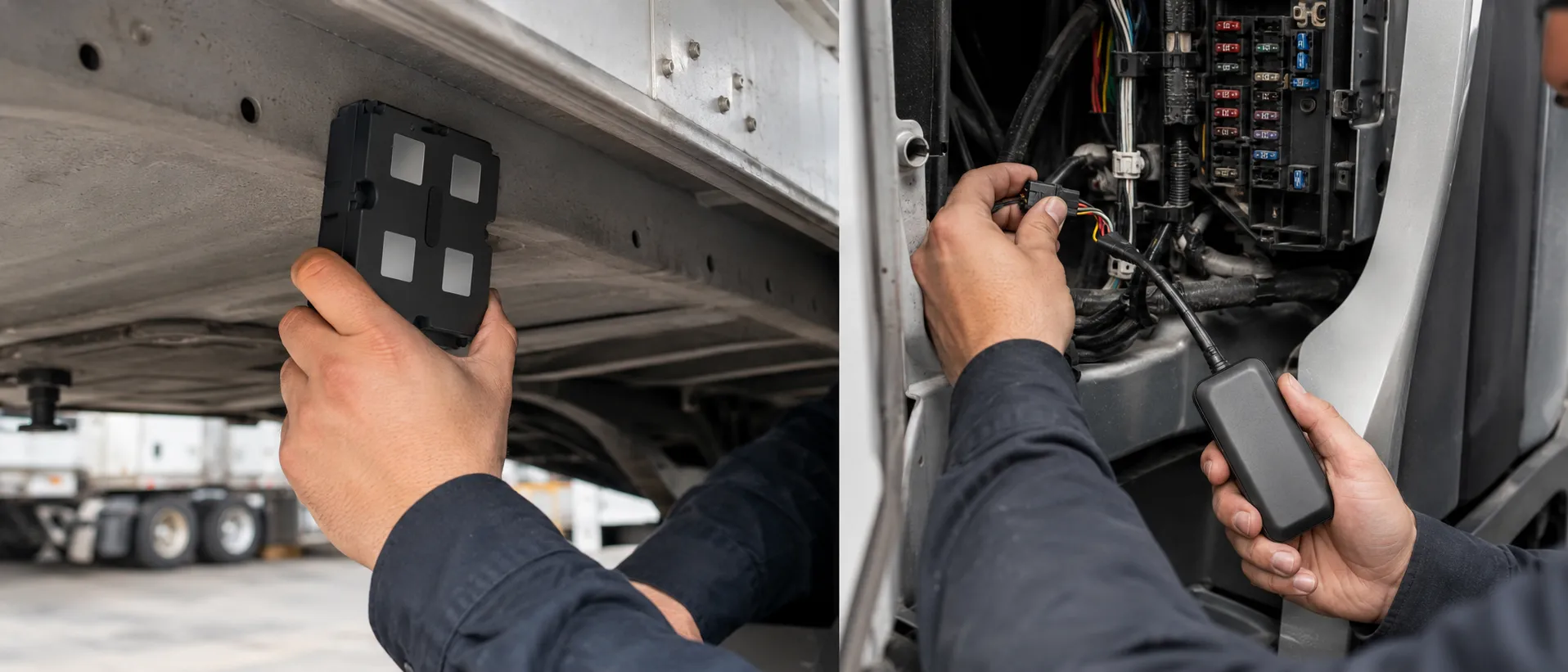
When evaluating a GPS tracking system, conversations often start with tracking accuracy, reporting frequency, or software features. In reality, one of the most important choices happens much earlier: the installation method.
Magnetic GPS trackers and wired GPS trackers serve different purposes. The former emphasizes deployment flexibility and speed, while the latter focuses on continuous power and long-term vehicle integration.
For fleet managers, logistics providers, equipment rental companies, and system integrators, the right choice is less about the GPS device itself and more about how the asset will be managed over its full lifecycle.
- Magnetic GPS trackers deliver the fastest deployment and simplest relocation.
- Hardwired GPS trackers provide uninterrupted power and long-term stability.
- Installation and maintenance costs should be evaluated together.
- Different fleet types often require different tracking approaches.
- Many large fleets achieve the best results through a hybrid deployment strategy.
What Is the Difference Between Magnetic and Hardwired GPS Trackers?
Before comparing costs and operational impact, it’s important to understand how the two approaches differ.
How Magnetic GPS Trackers Work
A magnetic GPS tracker is a self-contained GPS tracking device powered by an internal rechargeable battery. It mounts directly to vehicles, trailers, containers, or equipment using strong industrial magnets.
Because it doesn’t connect to the vehicle wiring, installation typically takes only a few minutes. This makes magnetic GPS tracking device ideal for temporary projects, rental assets, trailers, and equipment that changes locations frequently.
Their portability also allows fleet operators to transfer GPS tracker devices between assets as operational priorities shift.
How Hardwired GPS Trackers Work
A wired GPS tracker connects directly to the vehicle’s electrical system and draws power continuously from the vehicle battery or ignition.
Once installed, the GPS tracking device becomes a permanent part of the vehicle’s telematics stack. Beyond location tracking, many hardwired systems support advanced features such as high-frequency live updates, ignition status, and integration with AI cameras (ADAS + DMS) for driver behavior monitoring.
These capabilities make hardwired solutions common in commercial fleets requiring long-term, continuous monitoring.
Key Operational Differences
| Factor | Magnetic GPS Trackers | Hardwired GPS Trackers |
|---|---|---|
| Installation | Minutes | Professional installation required |
| Power Source | Internal battery | Vehicle electrical system |
| Mobility | High | Permanent |
| Maintenance | Battery management | Minimal routine maintenance |
| Asset Transfer | Easy | Difficult |
| Hidden Installation | Moderate | High |
| Long-Term Monitoring | Good | Excellent |
Understanding these core differences helps you more accurately assess downstream deployment costs and management efficiency.
Installation Speed and Deployment Efficiency

For large fleet projects, deployment speed affects schedules, labor requirements, and operational downtime.
Why Magnetic GPS Trackers Enable Rapid Deployment?
One of the biggest advantages of magnetic GPS trackers is how easy they are to deploy. Fleet operators can:
- Receive the GPS devices
- Charge them
- Activate/connect
- Begin tracking
All without taking vehicles out of service.
For organizations managing temporary projects, seasonal fleets, rental assets, or pilots, this can significantly shorten rollout timelines. Up to 100 vehicles can be equipped in a single day—no specialized technicians required.
Installation Requirements for Hardwired GPS Devices
Hardwired units require physical access to the vehicle electrical system. A typical install includes:
- Power and ground connections
- Securing the GPS device
- Configuring inputs/outputs
- Testing connectivity
- Verifying system operation
Depending on the vehicle model, installation may take 30–120 minutes per asset. At scale, simply scheduling vehicles for installation becomes an operational project of its own.
Considerations for Large-Scale Deployments
As deployment scales up, differences become pronounced:
- 50 vehicles: Magnetic ≈ 1 day; Hardwired ≈ several days
- 200 vehicles: Magnetic ≈ 2–3 days; Hardwired ≈ multiple weeks
- 1,000+ vehicles: Magnetic = rapid rollout; Hardwired = staged installs required
Organizations seeking rapid visibility often start with magnetic GPS tracking devices for initial deployment, then migrate some assets to permanent hardwired installs. While prioritizing speed, teams should also plan for long-term power and maintenance.
Power Supply and Tracking Reliability
Power architecture directly affects tracking continuity, reporting frequency, and maintenance schedules.
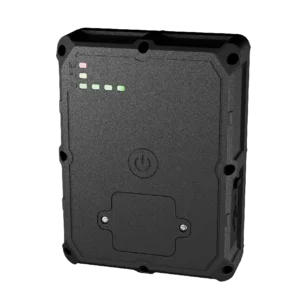
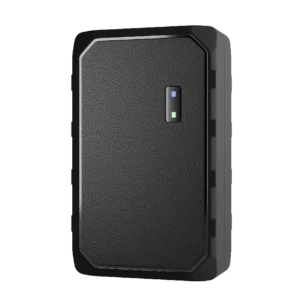
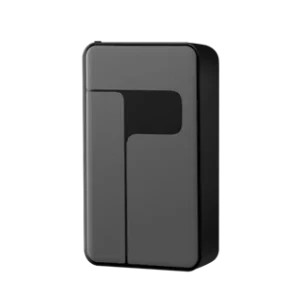
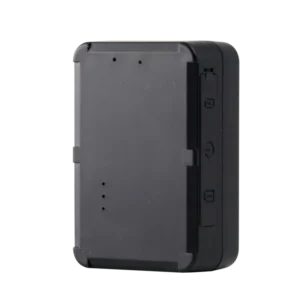
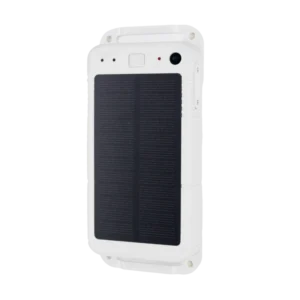
| Model | GAT23 | GAT24 | GAT27 | GAT28 | GAT30 | GAT33 | GAT35 |
|---|---|---|---|---|---|---|---|
| Battery Capacity | 5000 mAh | 7000 mAh | 1500 mAh | 10000 mAh | 7500 mAh | 6800 mAh | 1200/3000/5000/10000 mAh |
| Operating Current | 80 mA | 24 mA | 23 mA @ 3.7 V | 25.8 mA @ 3.7 V | 22 mA @ 4 V | 55 mA @ 4.2 V | 55 mA @ 4 V |
| Standby/Quiescent Current | 5–8 mA | 800 μA | 800 μA @ 3.7 V | 2.7 mA @ 3.7 V | 1.3 mA @ 4 V | 5.2 mA | 9 mA |
| Real-time Mode Runtime | 55 hours | 10 days (30s tracking interval) | 2 days (30s tracking interval) | 29 days (3min interval) | 8 days (30s interval) | 109 hours (10s interval) | 10 days (10,000 mAh, 30s interval) |
| Power-saving Mode Runtime | 750 days (scheduled on/off once per day) | 125–170 days (fix every 1–10 min) | 33 days (fix every 300 s) | 133 days (one fix per day) | 160 days (fix every 300 s) | 1201 days (scheduled on/off once per day) | 188 days (10000 mAh, fix every 1 hour) |
Battery Power (Magnetic)
Magnetic GPS trackers rely on built-in batteries. GreatWill offers multiple battery options to meet different tracking needs.
Magnetic GPS trackers rely on internal battery capacity. Runtime depends on:
- Reporting frequency
- Network coverage
- Motion/activity
- Environmental conditions
- Battery size
Modern, fleet-grade magnetic GPS trackers—when configured appropriately—can operate for weeks or months per charge. For occasionally moving assets, battery power is usually sufficient.
Example operating modes across models show ranges such as:
- Real-time/high-frequency modes: hours to days (depending on interval, e.g., 10–30 seconds)
- Power-saving modes: months to years (e.g., timed wake once per day)
Continuous Vehicle Power (Hardwired)
Hardwired units draw power directly from the vehicle, enabling:
- Frequent position updates
- Real-time monitoring
- Continuous data transmission
- Advanced telematics integration
For vehicles operating daily, uninterrupted power yields significant operational advantages.
Impact on Data Availability
Continuous visibility is especially valuable for:
- Long-haul transport
- Delivery fleets
- Government fleets
- Service vehicles
- Commercial freight operations
For fleet programs requiring stable long-term operations, constant power is only one part of the solution. Procurement teams should also weigh lifecycle maintenance resources and operating costs.
Maintenance Requirements Over Time
Upfront purchase price rarely reflects the true cost of a tracking program. Long-term maintenance usually determines total cost of ownership (TCO).
Battery Replacement and Charging Cycles (Magnetic)
Magnetic GPS trackers require periodic battery maintenance. Depending on configuration, operators may need to:
- Recharge batteries
- Replace aging cells
- Check mounting locations
- Verify GPS device status
This workload is manageable for small deployments. At scale (hundreds or thousands of GPS devices), battery management becomes a dedicated operational process.
Maintenance Plans for Hardwired Systems
Hardwired GPS units typically require minimal day-to-day maintenance once installed. Operators focus on:
- Software/firmware updates
- Platform administration
- GPS Device health monitoring
No charging cycles are needed due to continuous power.
Hidden Operational Costs
Many fleet buyers underestimate the labor required for battery management. A realistic maintenance plan should include:
- Labor hours
- Vehicle access requirements
- GPS Device inspections
- Replacement schedules
- Operational downtime
Lower GPS device prices don’t always translate to lower long-term operating costs. Across collaborations with large logistics fleets and asset managers, long-run maintenance and tamper resistance materially impact TCO and program stability.
Security and Tamper Resistance
A GPS tracker’s effectiveness depends not only on location accuracy but also on keeping the GPS tracking device online and protected.
Physical Exposure Risks (Magnetic)
Magnetic units are often mounted externally or in more accessible spots. While industrial magnets provide strong adhesion, GPS devices can still be found and removed if someone knows where to look. In many use cases this risk is acceptable; in others it can create operational concerns.
Advantages of Hidden Installation (Hardwired)
Hardwired trackers can be installed behind dashboards, panels, or protected compartments, offering:
- Lower visibility
- Better tamper resistance
- Reduced theft risk
- Improved operational continuity
Organizations concerned about unauthorized removal typically prefer permanent installations.
Theft Recovery and Investigations
Both magnetic and hardwired GPS trackers can support post-theft recovery. The optimal choice depends on asset characteristics:
- Magnetic GPS trackers are common on trailers, containers, equipment, and temporary assets.
- Wired GPS tracker devices are more common on trucks, vans, service fleets, and government vehicles.
Choose based on asset ownership and operational control.
Which GPS Tracker Is Better for Different Fleet Types?
Different fleet structures create different operational priorities.
Logistics and Delivery Fleets

Delivery vehicles typically operate every day and require continuous visibility.
Hardwired GPS trackers are often the preferred option because they provide:
- Continuous power
- Frequent updates
- Long-term stability
- Advanced fleet management capabilities
Rental and Leasing Vehicles

Rental fleets frequently add, remove, or rotate vehicles.
Deployment flexibility becomes important.
Magnetic GPS tracker can simplify installation while reducing vehicle modification requirements.
Construction Equipment and Assets

Heavy equipment often operates intermittently and may move between job sites.
A mix of magnetic and hardwired tracking is common depending on equipment type and utilization patterns.
Trailers and Non-Powered Assets

Trailers present a unique challenge because they often lack reliable power sources.
Battery-powered magnetic GPS trackers are frequently the most practical solution for:
- Trailer tracking
- Container tracking
- Portable equipment monitoring
- Temporary asset management
Regardless of whether you manage transport fleets, rental assets, construction equipment, or container operations, selecting the right solution requires balancing deployment efficiency, operating cost, and long-term scalability.
When Does a Hybrid Deployment Strategy Make Sense?
Many large fleet organizations find the best approach is not choosing one technology over the other—but combining both.
Combining Permanent and Temporary Tracking
A common strategy:
- Hardwired GPS trackers on primary fleet vehicles
- Magnetic GPS trackers on trailers and temporary assets
This approach balances visibility with flexibility.
Reducing Fleet Deployment Costs
Hybrid deployment lets organizations reserve permanent installs for high-value or continuously operating assets, while using portable tracking for non-critical assets to control costs.
Scaling Across Diverse Asset Types
Organizations managing:
- Trucks
- Vans
- Trailers
- Containers
- Construction equipment
Organizations managing diverse asset portfolios typically achieve better results by matching tracking technologies to specific asset categories. This strategy enhances operational visibility while ensuring resources are allocated efficiently.
Rather than choosing between magnetic and hardwired GPS trackers as a standalone decision, successful fleet deployments focus on balancing operational efficiency, implementation costs, and long-term data visibility. The next step is to develop a structured evaluation framework that supports informed procurement and deployment decisions.
How to Choose the Right GPS Tracker for Your Deployment
The best deployment strategy aligns technology with operational requirements.
Questions Procurement Teams Should Ask
Before selecting a GPS tracker, consider:
- How long will the asset be tracked?
- Does the asset have reliable power?
- How frequently is location data required?
- How often will GPS devices be moved?
- What level of tamper resistance is needed?
- What maintenance resources are available?
The answers often reveal the most suitable deployment model.
Evaluating Total Cost of Ownership
Fleet operators should assess:
- GPS device costs
- Installation costs
- Labor requirements
- Maintenance expenses
- Operational downtime
- Replacement cycles
Total cost of ownership frequently provides a more accurate decision framework than hardware pricing alone.
Work With a Fleet Tracking Manufacturer
Experienced manufacturers can help evaluate deployment needs before product selection. Fleet size, asset mix, operating environment, reporting frequency, and integration requirements all shape the optimal solution. In many cases, the most effective recommendation is a deployment strategy tailored to your real operating conditions—not “magnetic vs. hardwired” in isolation.
Looking for a GPS tracking solution for your fleet, trailers, or equipment assets?
Click here: https://greatwilliot.com/contact/
Contact the GreatWill team to discuss your deployment needs and get recommendations based on fleet size, asset types, installation preferences, and long-term goals.
Frequently Asked Questions
For most commercial fleet applications, modern magnetic GPS trackers are highly reliable in specific scenarios. Their performance stability mainly depends on matching battery capacity, magnetic strength, waterproof rating, and data upload frequency. For powered primary vehicles that require high-frequency, second-level real-time tracking, hardwired devices remain the preferred choice. For trailers, rental assets, and temporary projects, magnetic devices provide more flexible deployment performance. Installation cost savings are mainly reflected in the deployment efficiency of large-volume projects. Because magnetic devices do not need to connect to vehicle wiring, companies can completely eliminate professional technician installation labor costs and avoid operational losses caused by taking vehicles out of service for installation. For projects that need to deploy dozens to hundreds of assets within a short period, the commercial value of zero downtime and plug-and-play efficiency far exceeds the purchase price difference of the devices themselves. Yes. Hardwired trackers are usually installed discreetly within the main wiring harness behind the vehicle dashboard, making them extremely difficult to detect visually or remove maliciously. This provides stronger physical security protection for long-haul transportation, high-value cargo, and government project fleets. In addition, even if the wire is forcibly cut, the hardware-integrated power disconnection alarm can immediately send an alert to the backend platform. For trailers, containers, and non-powered asset management, magnetic GPS trackers are usually the more practical commercial choice. Because these assets are frequently separated from the primary vehicle and lack a constant power source, magnetic devices with built-in high-capacity batteries, no wiring requirements, and three-second magnetic attachment can effectively eliminate monitoring blind spots for peripheral assets and significantly improve asset turnover. The maintenance cycle of a magnetic GPS tracker directly depends on its power consumption strategy and the fleet’s asset inspection cycle. Low-frequency monitoring scenarios: If the device is configured to report its location once per day, such as for static asset inventory, an industrial-grade low-power architecture can enable three to five years of maintenance-free operation. High-frequency tracking scenarios: If motion-triggered reporting or high-frequency updates are enabled, battery life may be shortened to several months, requiring regular inspections and battery replacement. Procurement recommendation: Buyers are advised to align the battery replacement cycle with the asset’s return-to-factory overhaul cycle to optimize long-term operating expenses (OPEX). Yes. Hybrid Deployment is the standard solution for achieving full coverage of large asset fleets. Powered assets (primary trucks/passenger vehicles): Deploy hardwired trackers connected to the original vehicle battery to support high-frequency real-time tracking and AI camera ADAS + DMS driver behavior monitoring. Non-powered assets (trailers/containers/heavy machinery): Deploy magnetic trackers and use industrial-grade strong magnetic bases for rapid mounting, solving the tracking challenge for assets without a power source. Platform integration: Both hardware forms use a unified communication protocol, and their data is aggregated into the same fleet management platform to establish logical tractor-trailer integration in the backend. When system integrators connect hardware to their existing ERP systems or supply chain dashboards, they mainly evaluate the following technical indicators. Protocol compatibility and flexible forwarding: The hardware must support mainstream communication protocols, such as JT/T 808, MQTT, or customized HEX protocols, and support rapid remote modification of the reporting IP address and port through OTA. API and Webhook openness: The supplier must provide a structured RESTful API so third-party systems can seamlessly access real-time locations, tracks, device battery levels, and other data. Highly reliable downlink control: Integrators need to remotely modify hardware parameters through the platform, such as adjusting sleep strategies or enabling monitoring. This requires the firmware to provide a bidirectional, highly reliable acknowledgement signal mechanism. For high-volume brand owners and OEM buyers, supplier evaluation focuses on the following manufacturing details and supply chain resilience. Industrial-grade quality and compliance: The hardware must pass mandatory certifications in the target market, such as FCC, CE, RoHS, and PTCRB, and the enclosure must have genuine IP67/IP68 waterproof and dustproof ratings. Production capacity and delivery cycle: The factory’s monthly production capacity, the automation level of its SMT lines, and its inventory capacity for core components such as power management chips. One-stop customization capability: Whether the supplier has the technical strength to handle structural mold modifications, PCBA circuit board rerouting, and low-level firmware protocol rewriting. Network technology roadmap: Against the background of global 2G network shutdowns, whether the supplier has mature and stable 4G LTE and low-power IoT hardware alternatives to protect the long-term value of the customer’s investment.
Are magnetic GPS trackers reliable enough for commercial fleet operations?
How much installation cost can fleets save with magnetic GPS trackers?
Are wired GPS trackers more secure against tampering?
Which solution is better for trailer tracking?
How often do magnetic GPS trackers require maintenance?
Can fleet operators use both magnetic and wired GPS trackers?
What integration capabilities do system integrators usually require?
What do OEM buyers typically evaluate before selecting a GPS tracking supplier?




Responses
Discussion
0 responses
No responses yet
Start the discussion with a practical question or field note related to this article.