

Choosing a dash cam wholesale supplier is not just a price comparison. For fleet operators, resellers, and OEM buyers, the real test is whether the supplier can support consistent quality, the right product mix, and the level of customization your business needs to scale.
In wholesale projects, a weak supplier creates problems fast: uneven product quality, delayed delivery, poor platform compatibility, and more after-sales work for your team. A strong supplier reduces that risk and gives you a cleaner path from sampling to bulk order to long-term rollout.
For a broader view of how wholesale positioning connects to fleet use cases, you can also review our dash cam wholesale solutions page and our commercial dash cam overview.

What B2B buyers should expect from a wholesale supplier
Consumer dash cam sellers can be fine for one-off purchases, but wholesale buyers need a different standard. A real B2B supplier should understand repeat orders, consistent specifications, bulk packaging, technical support, and regional compliance concerns.
That matters because fleet and reseller projects are rarely about a single device. They are about standardization. You may need the same model across dozens or hundreds of vehicles, or you may need a branded product line that your customers can recognize and trust.
Before you move forward, make sure the supplier can support the business model you actually run, not just the model they want to sell.
Check the product range and camera configurations
A good wholesale supplier should be able to recommend the right configuration for the vehicle type and use case. If the catalog is too narrow, you may end up forcing the wrong product into the wrong project.
- Single-channel dash cams for basic recording needs
- Dual-lens dash cams for front plus cabin or front plus rear coverage
- 3-channel and 4-channel systems for broader fleet visibility
- 4G dash cams for remote access and cloud-based management
- AI dash cams with ADAS or DMS for driver safety programs
For commercial buyers, breadth matters because different vehicle types often need different hardware choices. A supplier who can cover multiple scenarios is easier to work with in the long run.
If your use case is more advanced, you can compare the platform-oriented options on our fleet dashcam solutions page or the connectivity-focused 4G dash cam page.
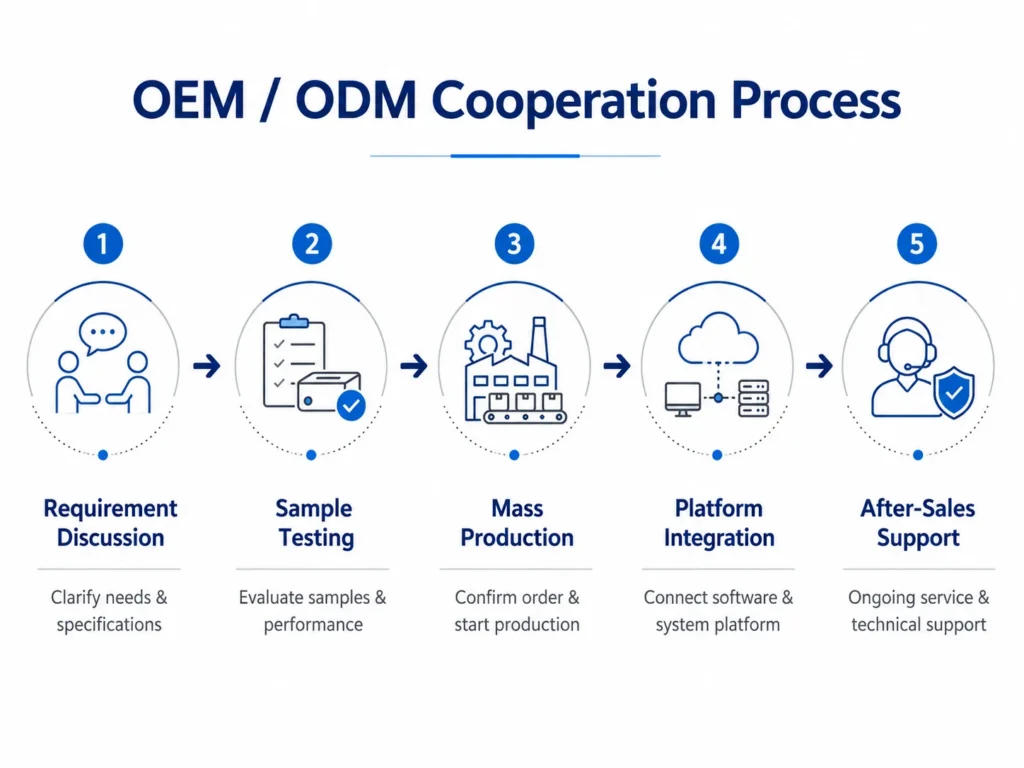
Confirm OEM and ODM customization support
If you are selling under your own brand or serving distributor channels, OEM and ODM support is usually part of the deal. That can include logo changes, packaging, firmware adjustments, app or platform integration, and hardware variations for different markets.
Do not assume every supplier that says “custom” can actually support a real project. Ask for specifics. Which parts can be customized? What is the minimum order quantity for custom work? How long does the approval process take? What changes are possible after sampling?
For buyers who want a branded commercial offer, this is where the right supplier becomes a true partner. If you need to align product planning with a custom program, our OEM dash cam solutions overview is the better place to start.
Look for real fleet and commercial vehicle experience
Fleet use is different from consumer use. A supplier that understands commercial vehicles is more likely to know how devices behave under long operating hours, mixed road conditions, variable power environments, and different installation requirements.
That experience matters when the project needs more than recording. Many fleet buyers also need incident review, remote access, support for multiple vehicle types, and integration with a wider tracking or management workflow.
Ask the supplier what kinds of fleets they have served before. If they can explain how they handle logistics fleets, service fleets, trucks, taxis, or mixed vehicle programs, that is usually a good sign.
For buyers who want broader fleet context, it can also help to review the tracking platform page and the fleet GPS tracker page, because camera projects often work better when they fit into a wider visibility stack.
Check platform, 4G, and connectivity compatibility
If your project needs remote monitoring, 4G support and cloud compatibility should be checked early, not after the order is placed. A local-recording device may be enough for a basic project, but many commercial buyers need remote review, event alerts, or centralized device management.
Also confirm the 4G bands for your target market. A device that works well in one country may not be the right fit in another without the correct band support. If you are operating across markets, this is one of the first technical questions to settle.
Suppliers that can support platform integration usually fit better with long-term fleet programs. If your project connects dash cams with broader fleet visibility, the supplier should be able to explain how their devices fit into that workflow.
If you need to combine video and location tracking in one workflow, a practical reference is our tracking platform page.
Ask about samples, MOQ, and lead time before bulk ordering
Sampling is one of the most important steps in a wholesale purchase. It lets you test video quality, installation time, app behavior, build quality, and overall user experience before you commit to volume.
Along with samples, you should confirm the MOQ, lead time, and bulk pricing structure. The cheapest supplier is not always the best supplier. In B2B buying, the real cost also includes rework, support time, replacements, and project delays.
- Can I order samples before bulk purchase?
- What is the MOQ for wholesale orders?
- How long is the production lead time?
- What is included in the bulk order support process?
Review technical support and after-sales terms
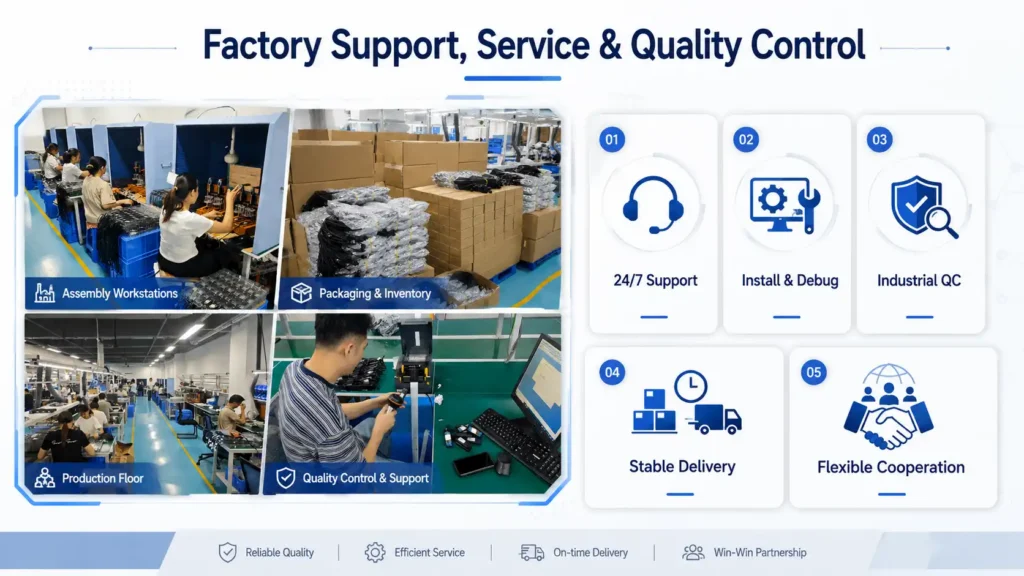
Technical support becomes especially important after delivery. Fleet projects often need help with installation questions, firmware adjustments, configuration issues, or platform compatibility checks. Resellers also need support to keep customer service manageable.
Before you choose a supplier, ask how support is handled and what warranty terms apply. A supplier that responds clearly and quickly can save a large amount of time once the project goes live.
This is also a good place to check whether the supplier has a proper contact path for project support. If you need a direct sales or technical conversation, keep the process simple and ask for the right contact early. You can always use the contact page once you have narrowed your shortlist.
Questions to ask before you place a bulk order
If you want to compare suppliers quickly, ask the same questions to each one:
- Which dash cam models are available for wholesale?
- Can you support OEM and ODM projects?
- What customization options are available?
- Do you offer 4G dash cams and cloud-based solutions?
- Can your products work with fleet management platforms?
- What is the MOQ for bulk orders?
- Can I test samples before placing a large order?
- What warranty and technical support do you provide?
If a supplier cannot answer these questions clearly, that usually tells you as much as a quotation does.
FAQ
What is the difference between wholesale dash cams and consumer dash cams?
Wholesale dash cams are built for B2B purchasing, repeat orders, and project-based deployment. They usually need to support consistent specifications, bulk supply, and business-level customization.
Why should I choose an OEM or ODM supplier?
Choose OEM or ODM support when you need branding, packaging, firmware, or hardware options tailored to your market or reseller channel.
Can 4G dash cams work with fleet management platforms?
Many 4G dash cams can, but compatibility should be checked before purchase. Platform integration and band support matter for long-term deployment.
Should I request samples before placing a bulk order?
Yes. Samples let you test recording quality, installation, and app or platform behavior before you commit to volume.
What should I ask a wholesale supplier before buying?
Ask about model range, customization, MOQ, lead time, samples, warranty, and technical support.
Final takeaway
The best dash cam wholesale supplier is not the one with the loudest marketing. It is the one that can support your product mix, your customization needs, your fleet use cases, and your long-term order flow without creating extra operational work.
If your project needs a wholesale, fleet, or OEM approach, start with the business requirements first and the product second. That is the fastest way to choose a supplier you can actually scale with.
For product options and project planning, visit our dash cam wholesale solutions page or reach out through the contact page.




Responses
Discussion
0 responses
No responses yet
Start the discussion with a practical question or field note related to this article.