
Do You Really Need a Forward Facing Dash Cam?
Does it truly solve your practical pain points?
Difficulty in determining liability for traffic accidents
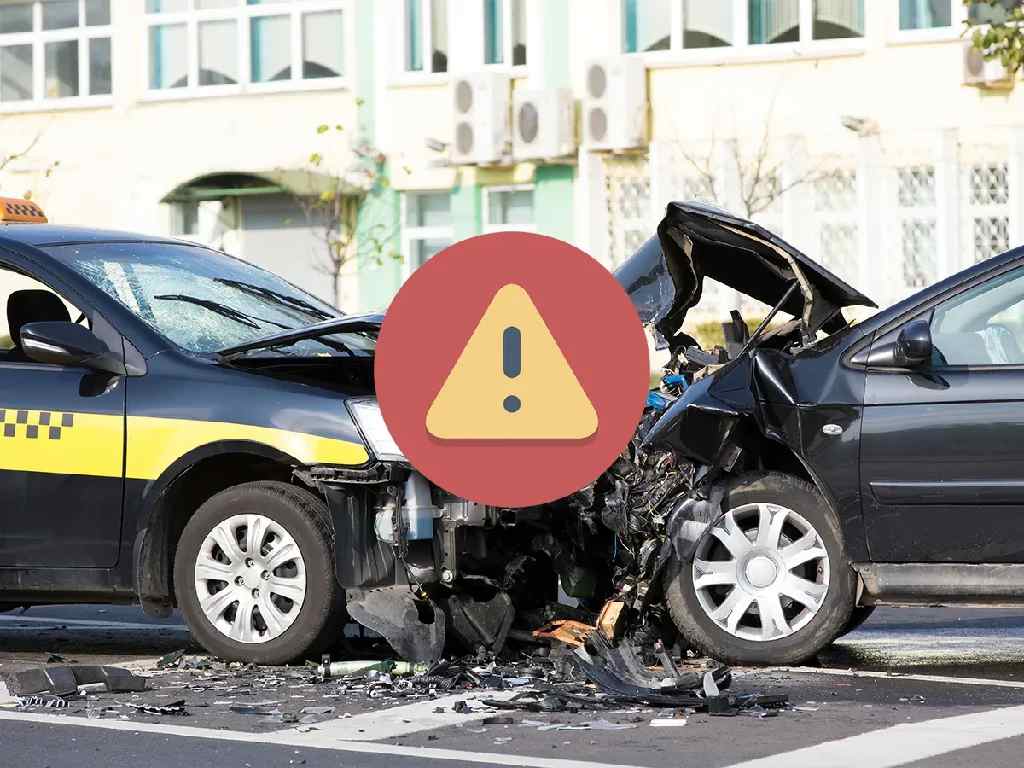
In scenarios such as urban scratches, intersection collisions, and highway rear-end crashes, verbal disputes, hit-and-run incidents, and lack of evidence are the most common pain points. A forward-facing dash cam records road conditions in real time, clearly captures the accident process, positions of involved vehicles, and traffic light status. It serves as irrefutable evidence for traffic police to assign liability and insurance claims, completely resolving issues like “unsubstantiated claims” and “blocked insurance settlements.”
Risk of malicious accident /vehicle cutting
On certain road sections, acts such as intentional accident and malicious vehicle cutting are prevalent. Without evidence, car owners often have no choice but to bear losses. The dash cam fully records the malicious operations and driving trajectories of such vehicles, providing key evidence for reporting to the police, safeguarding rights, and holding perpetrators accountable, effectively avoiding accident disputes.
Safety hazards of complex road conditions and novice driving
Novice drivers struggle with judging vehicle distances and road conditions, making scratches prone to occur during morning/evening peak hours and at complex urban intersections. High-speed driving may also bring sudden situations like sudden braking by the vehicle ahead or falling foreign objects. The forward-facing dash cam preserves footage of sudden incidents, assists in reviewing accident causes, helps drivers standardize driving behaviors, and reduces accident probability.
Core Features of a Forward Facing Dash Cam
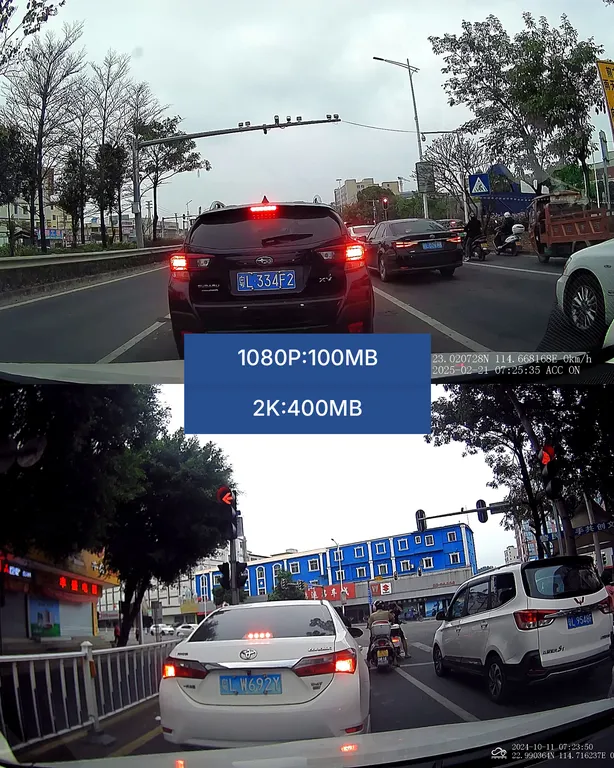
Image Quality and Field of View (Importance of HD/2K Resolution and 140°+ Wide-Angle Lenses)
-
Resolution standards
Prioritize HD (1080P) or higher, with 2K (1440P) as the advanced choice. High resolution clearly captures key details such as license plate numbers, vehicle body logos, and traffic light status, avoiding obstacles in liability determination and insurance claims due to blurry footage. Some high-end models also support 4K resolution, ideal for users with extreme image quality demands. -
Wide-angle lens and image control
Equip with a 140° or wider wide-angle lens to cover 3-4 lanes ahead, eliminate driving blind spots, and fully record the entire accident scene. Meanwhile, pay attention to distortion correction technology to avoid edge stretching and license plate deformation caused by an overly wide angle, ensuring the authenticity of key footage. Additionally, HDR (High Dynamic Range) technology balances brightness in strong/weak light environments, improving shooting clarity under complex lighting conditions.
Trigger Mechanisms (G-sensor, Manual Trigger, Customizable Sensitivity, etc.)
-
G-sensor automatic trigger
With a built-in gravity sensor, it automatically identifies G-force values when the vehicle collides, brakes suddenly, or experiences severe jolts from scratches. It locks and stores the current video segment separately to prevent important evidence from being overwritten, serving as a core guarantee for accident evidence collection. -
Manual emergency trigger
Supports manual emergency recording via body buttons, mobile apps, or voice commands. When facing potential disputes or malicious vehicle cutting, car owners can actively lock key footage to retain first-hand evidence. -
Customizable sensitivity adjustment
The sensitivity of the G-sensor can be adjusted according to driving scenarios: reduce sensitivity in urban congested sections to avoid false triggers from minor jolts; increase sensitivity for high-speed driving and complex road conditions to accurately capture collision moments, adapting to different driving environments.
Connectivity and Data Transmission (Cloud Synchronization, Mobile App Access, Real-Time Notification Function)
-
Mobile app interconnection
Matched with a dedicated mobile app, it supports offline/online remote access, download, and deletion of videos. There is no need to unplug and insert the memory card, allowing access to driving footage anytime and anywhere with efficient and convenient operation. -
Cloud synchronization backup
Some models support cloud storage (with supporting packages), which automatically uploads emergency videos and key clips to the cloud. This avoids the loss of evidence due to damaged or lost memory cards, providing double protection for claims and rights protection. -
Real-time message notifications
When the dash cam triggers collision/emergency recording or detects abnormalities, it pushes real-time notifications to the mobile phone, enabling car owners to know the situation immediately and handle disputes in a timely manner.
Auxiliary Features (Overspeed Alert, Collision Warning, Enhanced Night Shooting, etc.)
-
Intelligent safety reminders
Integrated with ADAS (Advanced Driver Assistance Systems), it provides front collision warning, lane departure warning, and vehicle start reminder to proactively avoid driving risks. Some models also support overspeed alerts to help drivers comply with traffic regulations and reduce violation risks. -
Enhanced night shooting
For low-light scenarios such as night driving, tunnels, and underground garages, it is equipped with starlight night vision, infrared night vision, or WDR (Wide Dynamic Range) technology to improve the brightness and clarity of night footage and clearly capture night driving and accident details. -
Additional practical functions
Includes parking monitoring (connected to a step-down cable to automatically record when the vehicle is scratched/collided), voice control (starts/stops recording without manual operation), and speed camera alerts (warns of speed measurement/illegal capture), adapting to personalized needs of different driving scenarios.
Hidden Advantages of a Forward Facing Dash Cam
-
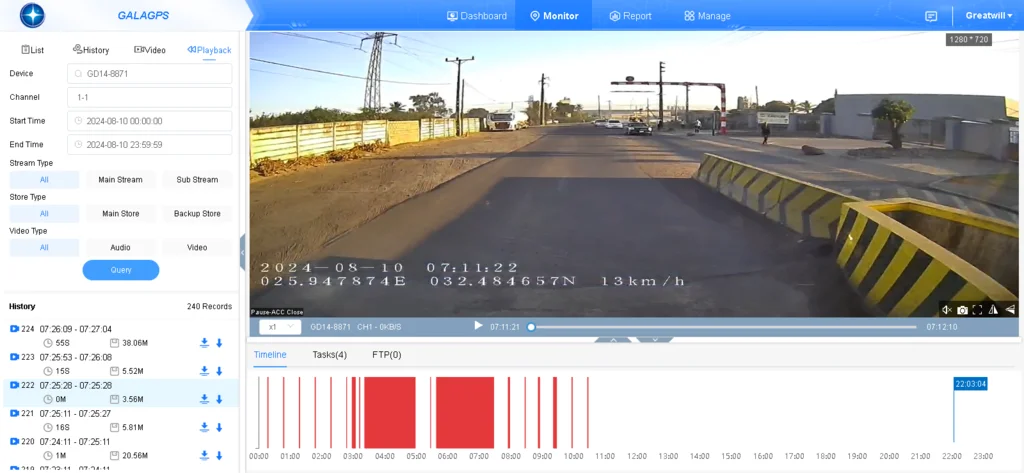
Enables review of daily driving footage to accurately identify bad behaviors such as sudden acceleration, sudden braking, and following too closely, gradually fostering smooth driving habits.
-
Adapts to extreme weather such as heavy rain, heavy fog, and backlighting. High-quality algorithms ensure clear shooting of road conditions, addressing scratch disputes caused by bad weather.
-
In low-light scenarios, night vision technology clearly captures the movements of pedestrians and non-motor vehicles at night, resolving disputes during nighttime vehicle exit and parking.
-
For commercial vehicles, it records passenger behaviors and cargo loading/unloading situations to avoid disputes over lost property and ensure operational compliance.
-
Integrated with speed camera alerts and navigation linkage functions, it provides speed measurement warnings and auxiliary route planning, evolving from a single recording device to an intelligent travel assistant.
Who Should Prioritize Installing a Forward Facing Dash Cam?
Fleet Managers
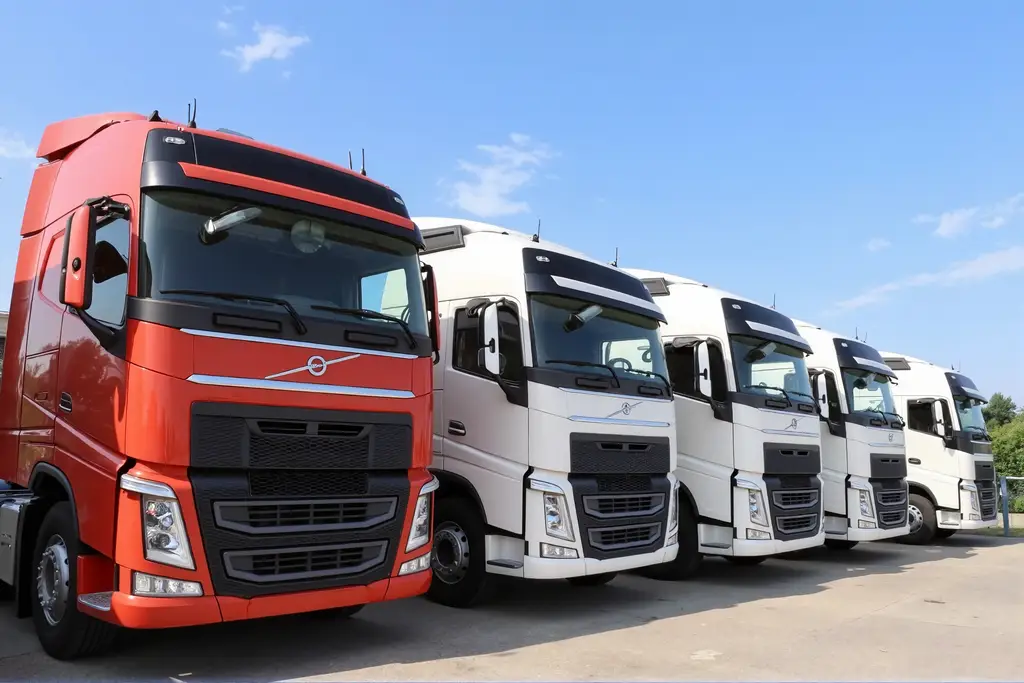
For both small and medium-sized logistics fleets and large freight fleets, scattered drivers and complex driving routes make accident claims and driving behavior regulation difficult. Forward-facing dash cams provide objective video evidence, reduce false claim disputes, and optimize driving safety through video review, making them a “must-have tool” for refined fleet management.
Individual Freight/Ride-Hailing Drivers
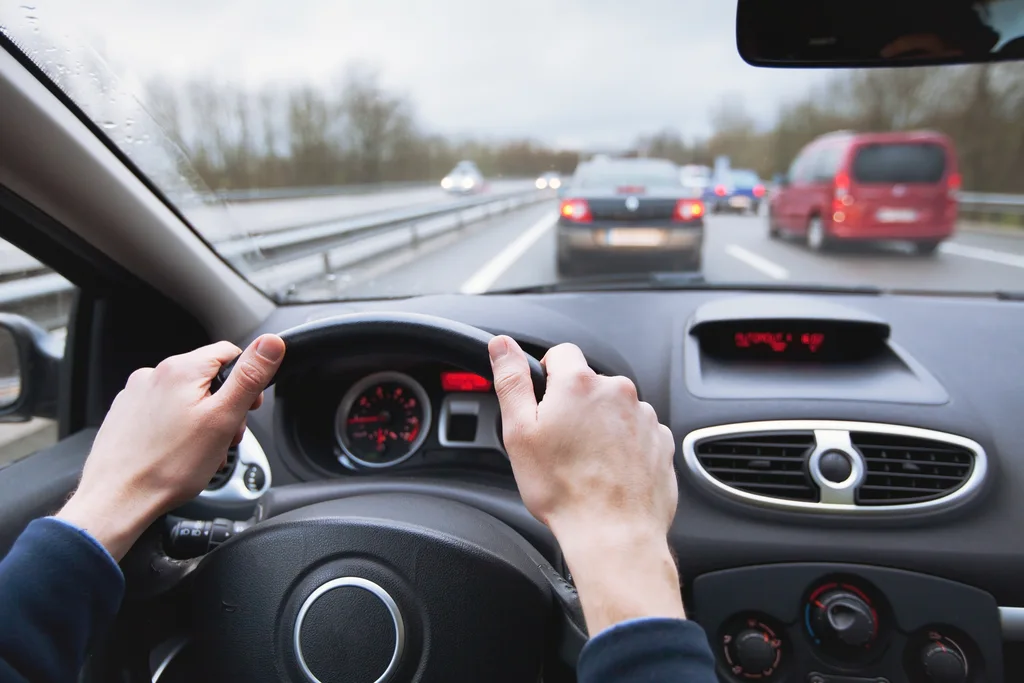
As practitioners driving alone, in the event of a rear-end collision, accident, or pedestrian violation crossing, the high-definition footage from a forward-facing dash cam is key to proving innocence, avoiding unnecessary economic losses and time consumption.
Construction Vehicle Operators (Towing Trucks, Dump Trucks, Engineering Vehicles, etc.)

These vehicles operate in special scenarios, often driving or performing specific operations on complex road sections, making collisions and scratches prone to occur. The forward-facing dash cam supports manual recording of key operation processes, providing a basis for liability determination and operation review.
Risks You May Face Without a Forward Facing Dash Cam
-
Being trapped in false claims: Data shows that nearly 80% of liable parties in accidents involving trucks and passenger cars are passenger car owners. Some owners exploit truck drivers’ tendency to avoid trouble and difficulty in obtaining evidence to make malicious claims. Without video evidence, fleets or drivers often have to bear unnecessary maintenance costs and insurance premium increases.
-
Difficulty in determining accident liability: In scenarios such as collisions at unsignalized intersections and accidents caused by non-motor vehicle violations, on-site traces are easy to disappear and witness testimonies are inconsistent. Lack of video evidence leads to time-consuming and laborious liability determination.
-
No traceability of driving behavior: Dangerous behaviors such as speeding, sudden braking, and illegal lane changes by drivers cannot be monitored and reviewed in real time, making safety training targeted and reducing accident rates difficult.
-
Persistent high insurance premiums: Frequent claim records will lead to a significant increase in insurance premiums in the following year. Vehicles equipped with forward-facing dash cams, with reduced claim disputes and risks, are eligible for 5%-20% insurance premium discounts from some insurance companies.
Frequently Asked Questions
1. How to choose between a forward facing dash cam and a dual-channel (front and rear/front and in-cabin) dash cam?
The core differences lie in recording scope, applicable scenarios, and cost. Choose based on actual driving needs:
| Dimension | Forward Facing Dash Cam | Dual-Channel (Front & Rear/Front & In-Cabin) Dash Cam |
|---|---|---|
| Recording Scope | Only records road conditions ahead | Simultaneously records front + rear (front & rear dual-channel) or front + in-cabin (front & in-cabin dual-channel) |
| Core Advantages | Compact size, easy installation, no obstruction to vision, focusing on evidence collection for front accidents | Front & rear dual-channel: Resolves rear-end collisions, scratches, and reversing accident issues. Front & in-cabin dual-channel: Retains evidence for in-car disputes and passenger behaviors |
| Applicable Scenarios | Daily urban commuting, highway driving, with only front driving safety needs | Frequent reversing/parallel parking, ride-hailing/freight operations, concerns about rear scratches and in-car property disputes |
| Purchase Suggestion | For short-distance commuting, simple road conditions, and no rear evidence collection needs, prioritize a forward facing dash cam | For reversing needs, commercial vehicle attributes, and concerns about rear/in-car disputes, choose a dual-channel dash cam directly |
2. Can a forward facing dash cam work normally in remote areas with no network?
Yes, it can work normally—network is not a necessary condition for its operation.
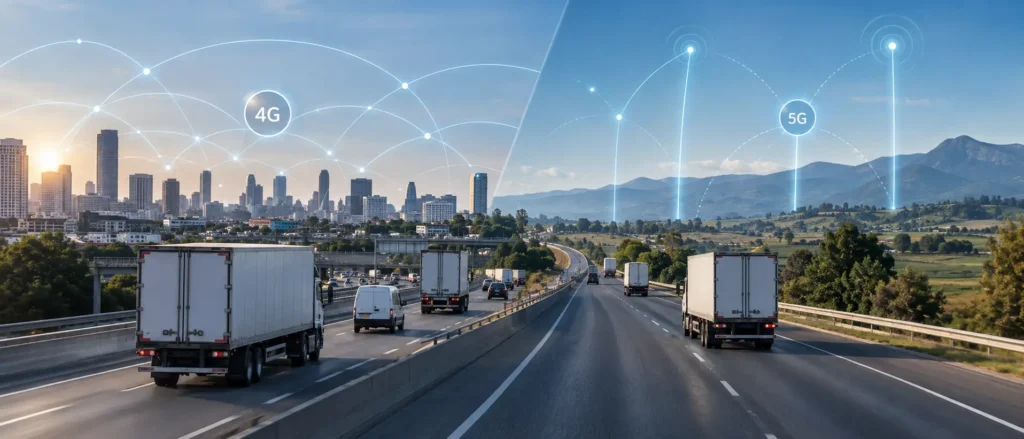
The core functions of the dash cam (recording, storage, collision trigger, local preview) rely entirely on local hardware: it is powered by the vehicle’s power supply and completes recording and storage via built-in sensors and memory cards, with no network required.
Only network-dependent functions (cloud synchronization, remote access via mobile app, real-time notifications) are unavailable without a network, which does not affect basic recording and evidence retention.
Parking monitoring in remote areas (requires a step-down cable) also works normally, triggered by the vehicle’s battery power without a network.
3. Will the shooting effect of a forward facing dash cam be affected at night or in severe weather?
It will be affected to a certain extent, but high-quality models can significantly mitigate this through technical means:
Impact of Night Shooting
Strong light interference: Oncoming car lights and street lamp reflections easily cause overexposure and glare; footage is prone to blurring and noise in low-light environments.
Solutions: Prioritize models with starlight night vision, WDR wide dynamic range, or HDR high dynamic range, which balance brightness and suppress glare to clearly capture license plates and pedestrians at night.
Impact of Severe Weather
Heavy rain/fog/snow: Rain and fog block the lens, leading to blurry footage and low visibility; details are lost in backlighting scenarios.
Solutions: Choose models with fog penetration, strong light suppression, and waterproof lenses, and clean the lens regularly to significantly improve shooting clarity in severe weather.
4. Can drivers manually delete videos? How to ensure data security?
Manual Deletion
Manual deletion is supported with flexible operation methods:
-
Delete non-critical daily cycle recordings via body buttons or touchscreens directly.
-
Delete and clean up memory remotely via the mobile app to quickly release storage space.
Data Security Protection Measures
To avoid accidental deletion/tampering of key evidence, mainstream dash cams are equipped with multiple protection mechanisms:
-
Emergency video locking: Videos triggered by collisions or manual emergency recording are automatically locked and cannot be overwritten by cycle recording or manually deleted.
-
Custom anti-accidental deletion: Some models support setting a lock password, and locked videos can only be deleted after entering the password.
-
Local storage to prevent loss: Videos are default stored in the body’s memory card, independent of cloud storage, avoiding network leakage or cloud data loss.
-
Video encryption: High-end models support video file encryption, accessible only on the device/authorized equipment to ensure the authenticity of evidence.

Responses
Discussion
0 responses
No responses yet
Start the discussion with a practical question or field note related to this article.