
On June 30, 2026, a local report from Shreveport said police were testing a GPS tracking and geofencing pilot for certain domestic violence cases. The idea is straightforward: give officers one more way to respond when a court-issued protective order is in place.
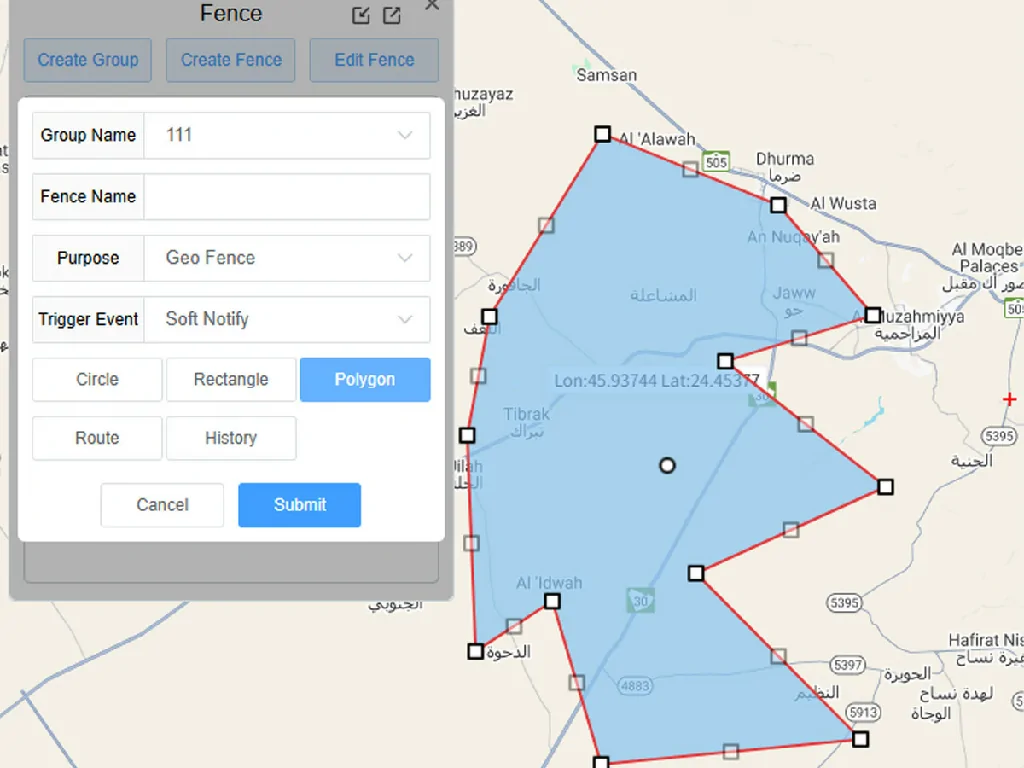
Instead of relying only on a paper order, the pilot uses location rules to watch for boundary violations in real time. If a tracked offender approaches a protected home or workplace, the system can alert both law enforcement and the victim.
Why geofencing matters here
A protective order is a legal tool. It does not physically stop someone from getting too close. Geofencing turns that legal boundary into an operational one. In cases where timing matters, early notice can change the response window from minutes to seconds.
In Shreveport’s pilot, the useful part is not just tracking. It is the combination of location data, alert logic, and a response workflow that tells officers when to act.
How the setup works
- Tracking: a device reports location at regular intervals or in real time.
- Geofencing: homes, workplaces, or other protected places are set as restricted zones.
- Alerting: when the device enters or nears a zone, the platform sends a warning.
- Response: police verify the event and decide whether to intervene.
That same pattern shows up in asset protection and fleet monitoring too: location hardware, a monitoring platform, and a clear alert chain. GreatWill’s trailer GPS tracker follows the same logic with long-standby monitoring and location-based alerts, just for a different operational use case.
What makes these pilots hard to run
On paper, the workflow looks simple. In practice, it takes coordination. Shreveport Police said the pilot is still in its early stages and will involve the police department, sheriff’s office, district attorney’s office, and local judges.
That coordination affects three things:
- Who gets the alert and how quickly they see it.
- How the boundary is configured so the system does not create too many false alarms.
- Who owns the response once an alert appears.
Without that process, even accurate GPS data can become noise. A pilot only works when the rules are clear before the first alert ever fires.
Why this matters beyond public safety
This story is about domestic violence enforcement, but the broader lesson is about how GPS tracking actually creates value. Positioning alone is not enough. The useful part is what happens after the device reports a location.
That is why public safety teams, fleet operators, and asset owners keep asking the same questions:
- How accurate is each position update?
- How fast does the alert reach the right person?
- Can the system work across different devices and sites?
- Is the workflow simple enough for the field team to use?
The device matters, but the workflow matters more. The best tracking setup is the one that turns location data into a decision quickly.
Source
Original report: Shreveport police testing GPS tracking program in domestic violence cases – AOL
Frequently Asked Questions
What is geofencing in a GPS tracking system?
Geofencing creates a virtual boundary around a real-world location. When a tracked device enters or leaves that area, the platform can send an alert.
Why is GPS tracking useful in protective-order enforcement?
It gives law enforcement earlier notice when a person or device approaches a restricted location, which can improve response speed and enforcement consistency.
Is GPS tracking enough on its own?
No. A useful system needs accurate alert rules, clear ownership of the response process, and a platform that can deliver the alert to the right people quickly.
If you are evaluating location tracking for monitoring, safety, or asset protection, the real question is simple: can the whole workflow support a timely decision?


Responses
Discussion
0 responses
No responses yet
Start the discussion with a practical question or field note related to this article.